

How to Sew a Flawless Summer Cotton Dress: Tips from the Warehouse

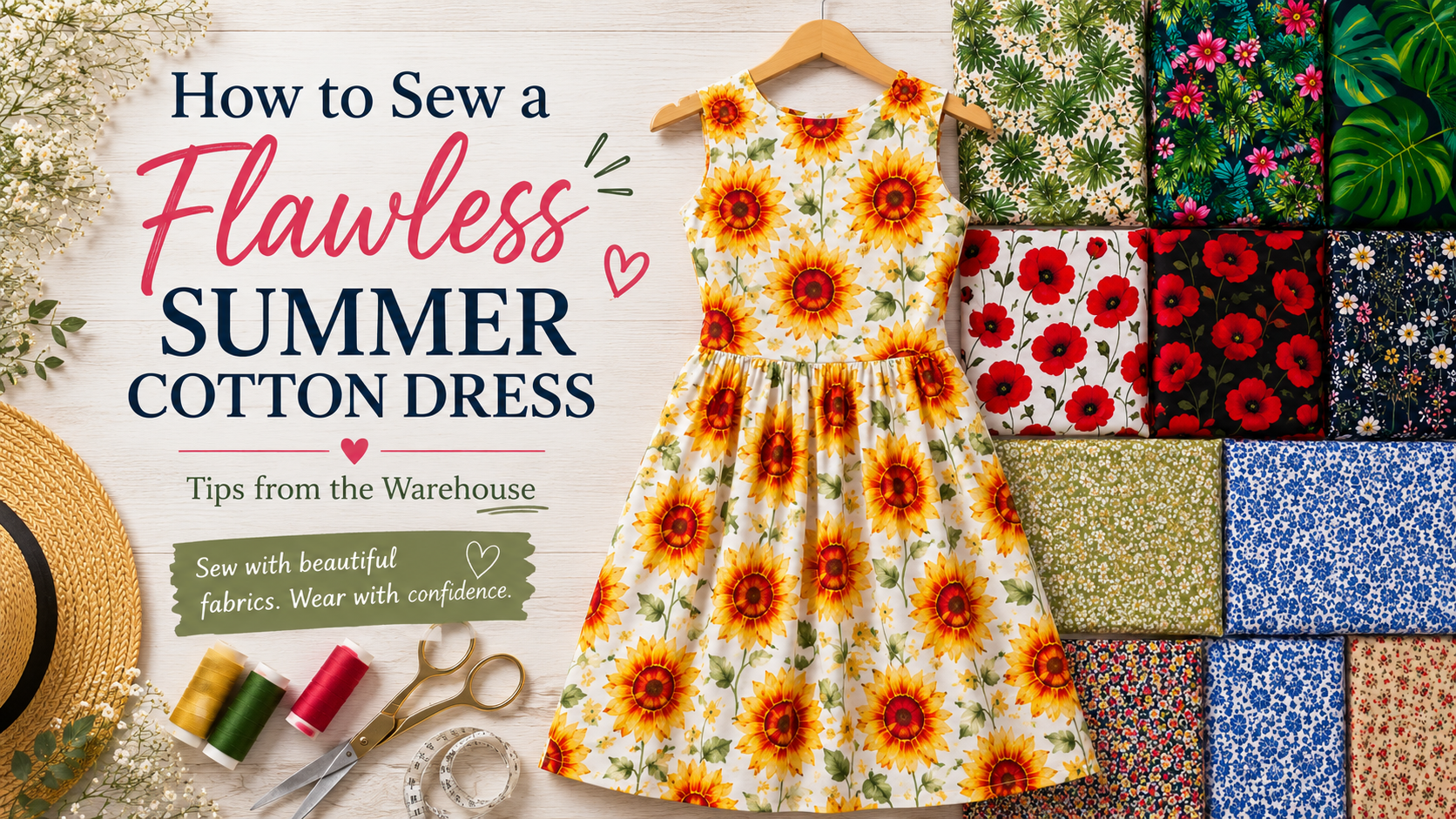
How to Sew a Flawless Summer Cotton Dress: Tips from the Warehouse
Summer dresses should look effortless — and with the right cotton poplin, they practically sew themselves. Here's everything you need to know about choosing, cutting, and constructing the perfect warm-weather dress with Rose & Hubble cotton.
What's Inside
The Foundation
Why Cotton Poplin Is the Only Summer Fabric You Need
There's a reason cotton poplin has been the go-to dressmaking fabric for decades. It presses beautifully, holds its shape, and breathes in a way that synthetic alternatives simply can't match — which is exactly what you want when the British summer finally arrives.
Rose & Hubble cotton poplin sits at 130gsm — heavy enough to give structure to a wrap dress or a-line skirt, light enough to feel cool against the skin. It has a fine, tight weave that makes it forgiving to work with: seams lie flat, edges don't fray aggressively, and it irons to a crisp finish every single time.
For summer dressmaking specifically, the 100% cotton composition is what sets it apart. On warm days, cotton wicks moisture and allows airflow. A poplin wrap dress in high street polyester becomes uncomfortable by mid-afternoon. The same silhouette in Rose & Hubble cotton stays wearable all day.
- Fine tight weave — seams press flat and stay flat
- 130gsm weight — structured without being stiff
- 100% cotton — breathable in warm weather
- Easy to cut with scissors or rotary cutter
- Sews cleanly on standard domestic machines
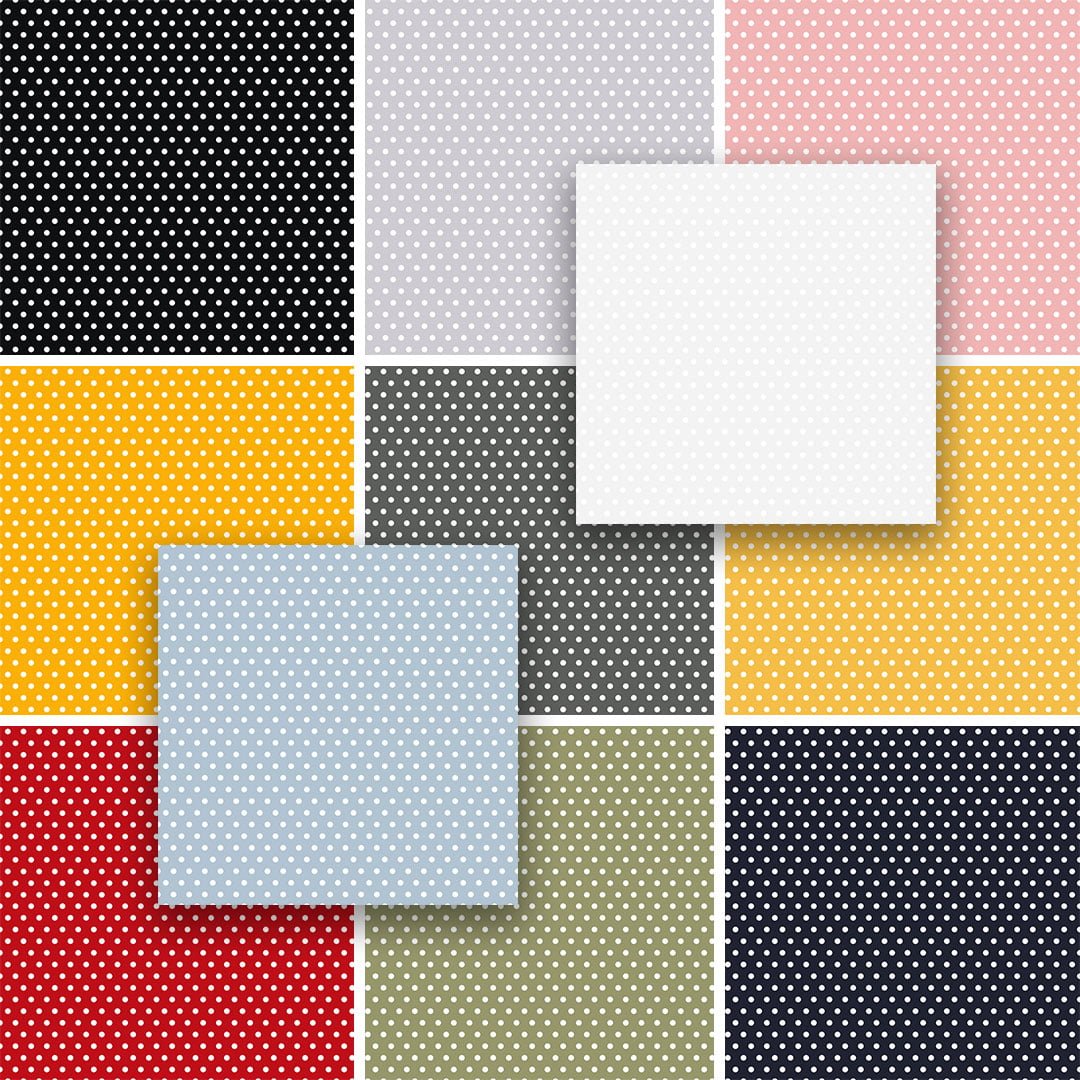
- Available in polka dot, floral, geometric, and plain colourways
UK Maker's Tip: Rose & Hubble poplin is Oeko-Tex certified — meaning it's tested safe for skin contact. For summer dresses worn directly against the skin in warm weather, this matters more than most people realise. No hidden chemicals, no synthetic dye irritants, just clean British-quality cotton.
Pattern Selection
Choosing the Right Print: Polka Dots, Florals & Geometrics
The print you choose shapes the silhouette before you've cut a single piece. Here's how to match your fabric to your intended dress style — and avoid the common mistake of letting a bold print fight the pattern.
| Print Style | Best Dress Silhouettes | What to Watch | Verdict |
|---|---|---|---|
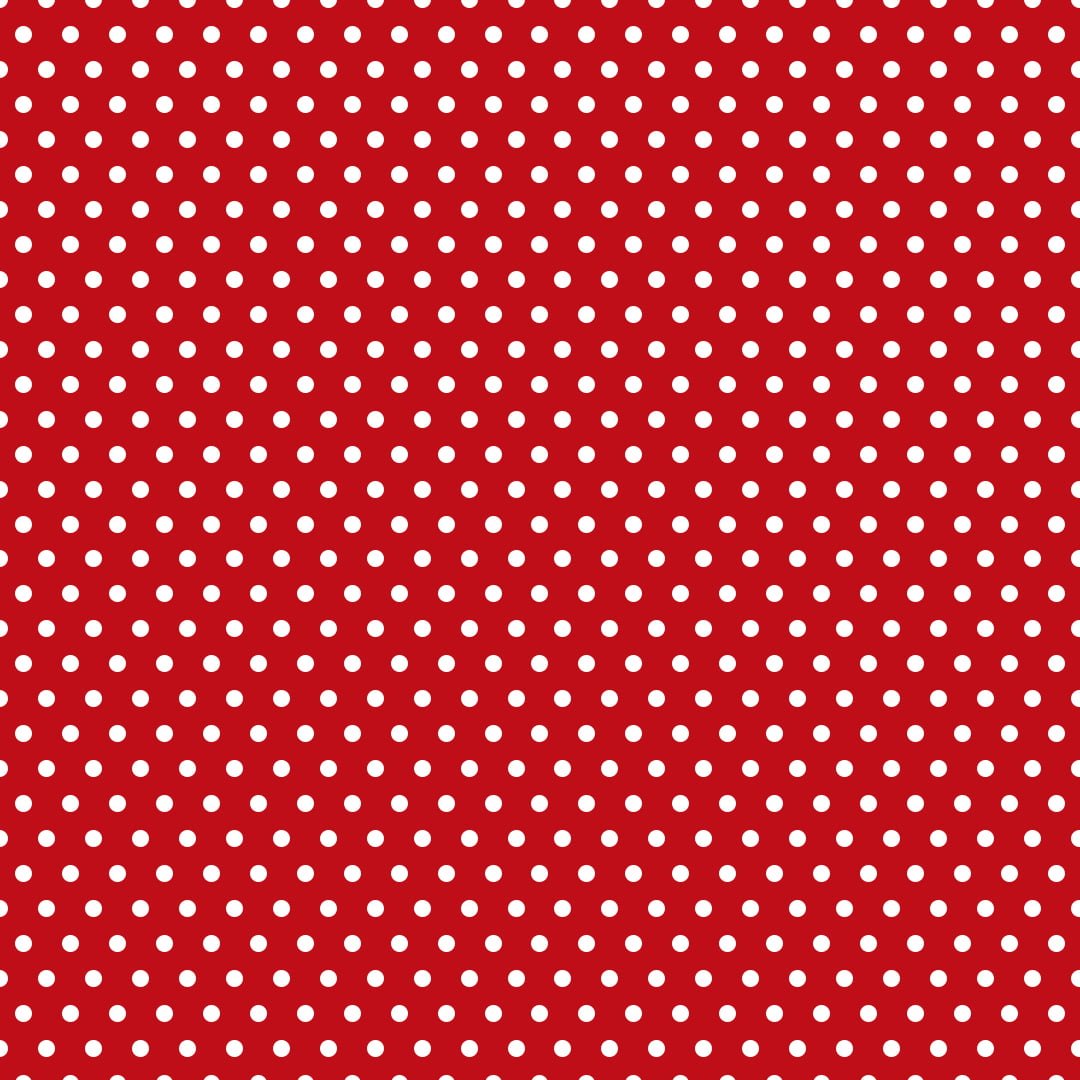
| Polka DotClassic small-to-medium spots on a contrasting ground colour. A perennial summer staple. | Wrap dresses, shirt dresses, tea dresses with a full skirt. The repeat is regular, making pattern matching easy. | On a full circle skirt, the dots stretch at the bias. Cut the skirt panels on-grain for a clean finish. | Beginner Friendly |
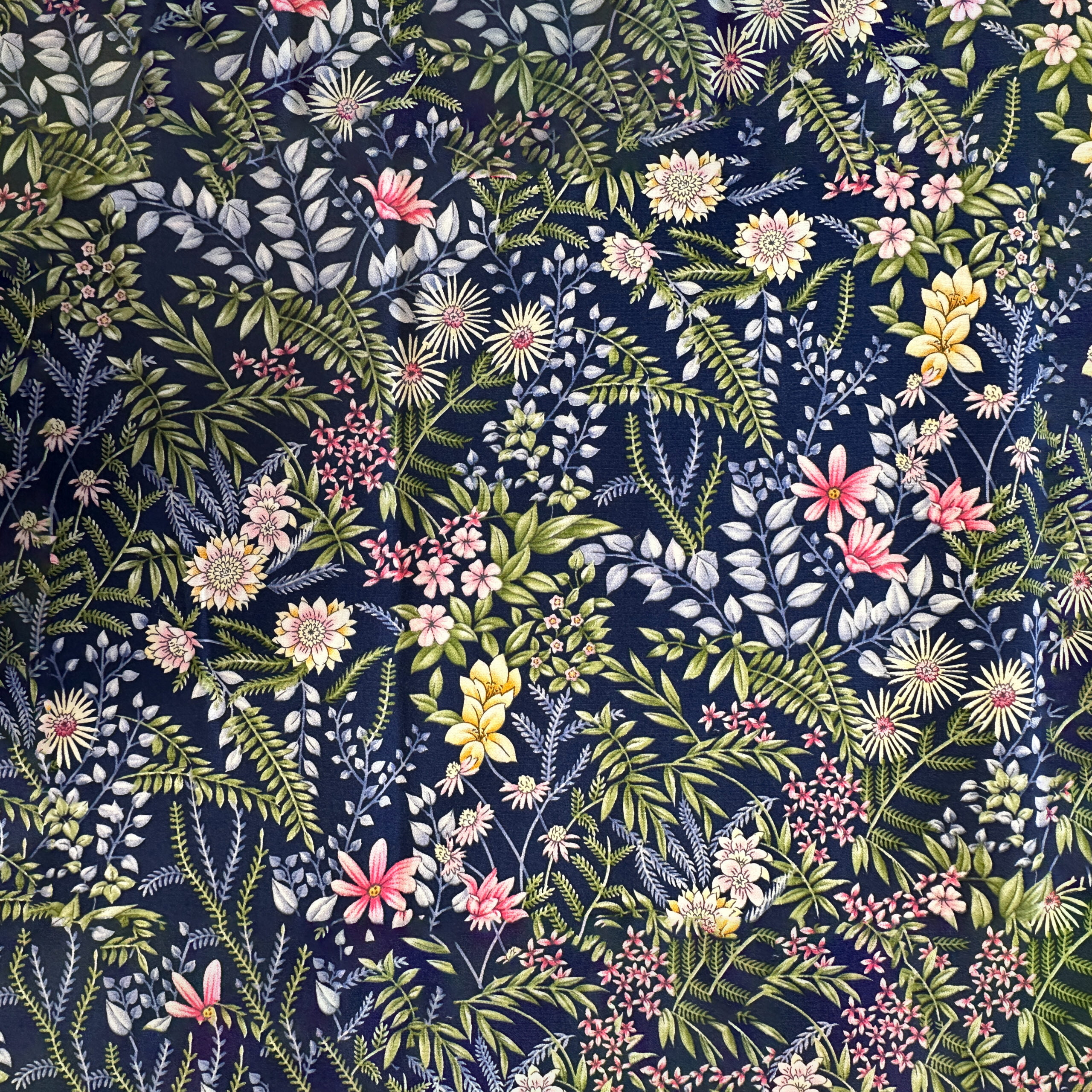
| Floral / BotanicalScattered or tossed prints with irregular repeats. Most Rose & Hubble florals are directional. | A-line dresses, sundress bodices, gathered midi skirts. The irregular repeat hides minor cutting inaccuracies. | Check if it's directional before buying. Directional prints need extra fabric for matching at the bodice seam. | Versatile |
| Geometric / StripeChecks, abstract prints, linear designs. These demand precise cutting but reward the effort. | Structured bodices, square-neck dresses, shirt dresses where the geometry can align across seams. | Always add 15–20% extra fabric for matching. Stripes across the bias of a gathered skirt add visual interest. | Experienced Makers |
The One Metre Sample Trick
Before committing to 3–4 metres of a print, order a fat quarter or short length sample first. Hold it against your body, drape it over your shoulder, and check how the scale of the repeat reads at distance. A small polka dot that looks charming in the photo can read as a busy pattern when made up into a full dress. Rose & Hubble samples are available on the DFL site — a small upfront cost that prevents expensive mistakes.
Before You Start
Pre-Wash, Press & Prepare — Before You Cut a Single Seam
Cotton shrinks. It's a feature, not a flaw — but only if you account for it before cutting. Skip this step and a perfectly fitted dress becomes a tight one after its first wash. These three steps take 30 minutes and save hours of frustration.
1
Pre-Wash at 30°C — Always
Rose & Hubble cotton poplin shrinks an estimated 3–5% on first wash. For a 2-metre dress length, that's up to 10cm of shrinkage — enough to shorten a midi dress into a mini. Wash the full fabric length before cutting, using the same temperature you'll wash the finished garment at. Machine wash at 30°C, gentle cycle, alone (dark prints can bleed slightly on first wash).
2
Press Flat While Still Slightly Damp
Cotton poplin irons beautifully — but only when pressed correctly. Take the fabric out of the machine slightly damp and press with a medium-hot iron (cotton setting, no steam needed — the moisture in the fabric is enough). Press with the grain, not across it. This sets the weave square, which is essential for accurate cutting. A twisted grain is the most common reason for a dress that hangs crooked even when the pattern is perfectly cut.
3
Check Your Grain Before You Lay Patterns
Fold the fabric selvedge to selvedge and check whether the fold lies flat. If it pulls or twists, the grain is off — gently pull on the bias (diagonally) to correct it, then re-press. Lay your pattern pieces with the grainline arrow running strictly parallel to the selvedge. Even 1–2mm of drift from grain across a bodice length will show in the finished hang. Use a tape measure, not your eye.
Pressing Seams — The Detail That Separates Handmade from Homemade
Press every single seam as you sew — not at the end. On cotton poplin, a pressed seam lies flat and looks professional; an unpressed seam puckers and creates bulk at the waistband or neckline. Use a pressing cloth between the iron and any dark print to prevent shine. Five seconds of pressing per seam is the single biggest improvement most home sewists can make to their finish quality.
Construction
Cutting & Sewing for a Clean, Professional Finish
Cotton poplin is one of the most forgiving fabrics to sew — but there are a few non-negotiables that make the difference between a dress you wear once and one you reach for every summer.
The Right Needle Makes Everything Easier
Use a universal needle, size 80/12 for standard poplin weight. Change the needle before every major project — a slightly blunt needle causes skipped stitches on the tight poplin weave, which shows up at necklines and armholes where the fabric is under tension from the seam finish.
Stitch Length — Longer Than You Think
Most home sewists default to a 2mm stitch length. On poplin, a 2.5mm stitch looks more professional, sits flatter, and is easier to unpick cleanly if you need to. Use 1.5mm only for topstitching necklines or collar edges where tightness is intentional.
- Universal needle 80/12 — change before each major project
- Stitch length 2.5mm for main seams
- 15mm seam allowance unless your pattern states otherwise
- Finish raw edges with a zigzag or overlock before assembling
- French seams on sheer bodice sections for a luxury finish
- Clip curves at necklines — never notch on poplin (too thin)
How Much Fabric Do You Actually Need?
For a standard knee-length dress (sizes 10–16 UK): allow 2.5–3 metres for a simple A-line or wrap dress. Add 0.5m for matching prints, 0.5m for sizes 18+. For a midi or maxi length, budget 3.5–4.5 metres. Fabric is sold by the metre at Discount Fabrics Ltd — order a little more than you think you need. Offcuts from Rose & Hubble poplin are too useful to waste.
Hemming Cotton Poplin — The Cleanest Method
A double-turned hem on cotton poplin is the gold standard. Turn up 1cm, press, turn up 1cm again, press, then stitch 2mm from the fold. For a faced hem on a full circle skirt, use a 5mm turned and topstitched hem — any deeper and the hem buckles on the curve. Always press the hem before stitching. An unpressed hem stitched under the machine feeds unevenly and creates the tell-tale "wobbly hem" that's visible from across the room.
Rose & Hubble at DFL
Pick Your Print — The Full Poplin Range
Genuine Rose & Hubble cotton poplin, by the metre. Every colourway is made for dressmaking — the weights, prints, and weave quality are consistent across the range. Polka dots, florals, animal prints, and more.
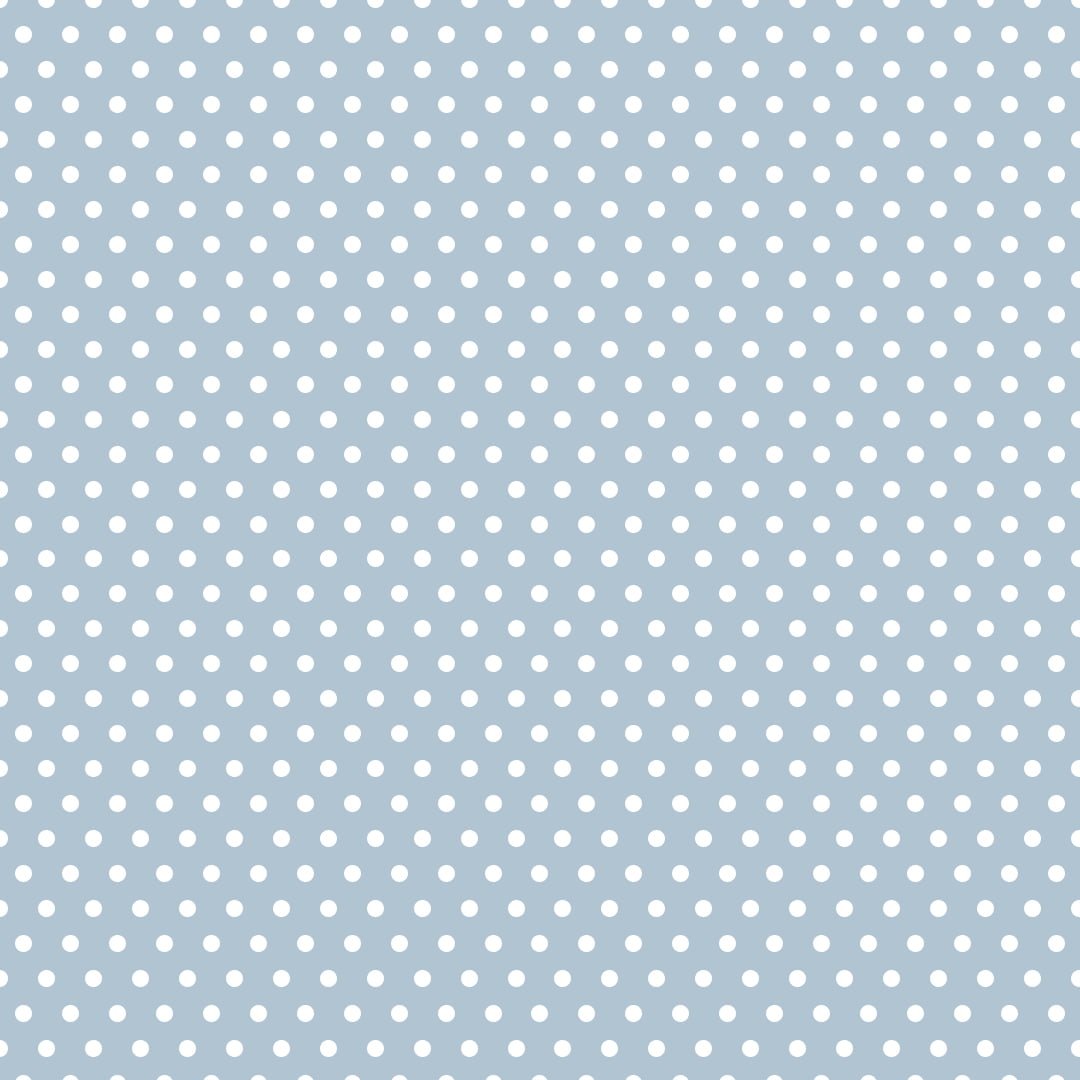
Polka Dot Cotton Poplin
The classic. Available across a wide range of ground colours — navy, red, cream, dusty pink, sage green. A summer dress staple that never dates.
Shop Polka Dot →
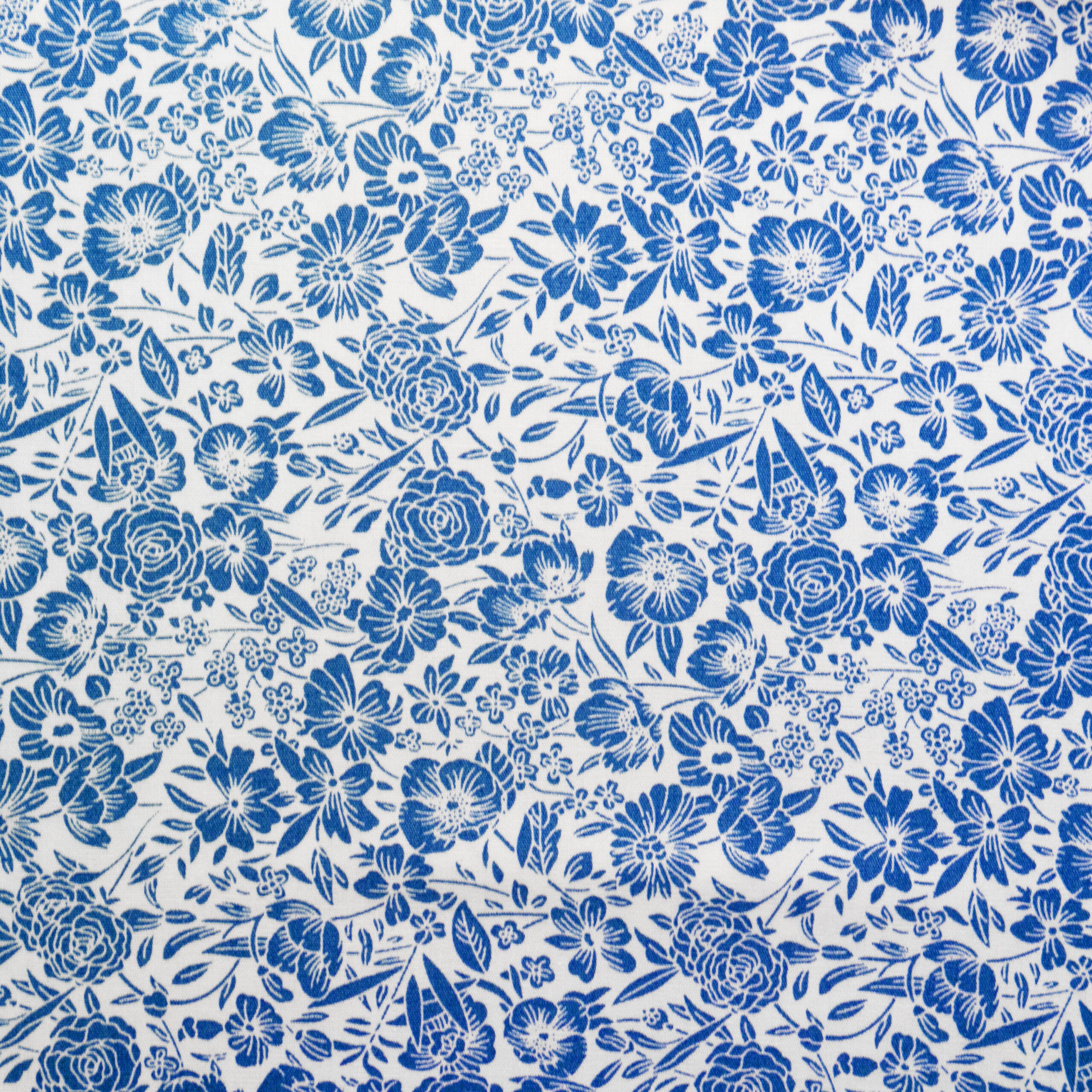
Floral Cotton Poplin
Scattered botanical prints in vintage-inspired colourways. Ideal for tea dresses, gathered skirts, and wrap silhouettes where the print provides the interest.
Shop Florals →
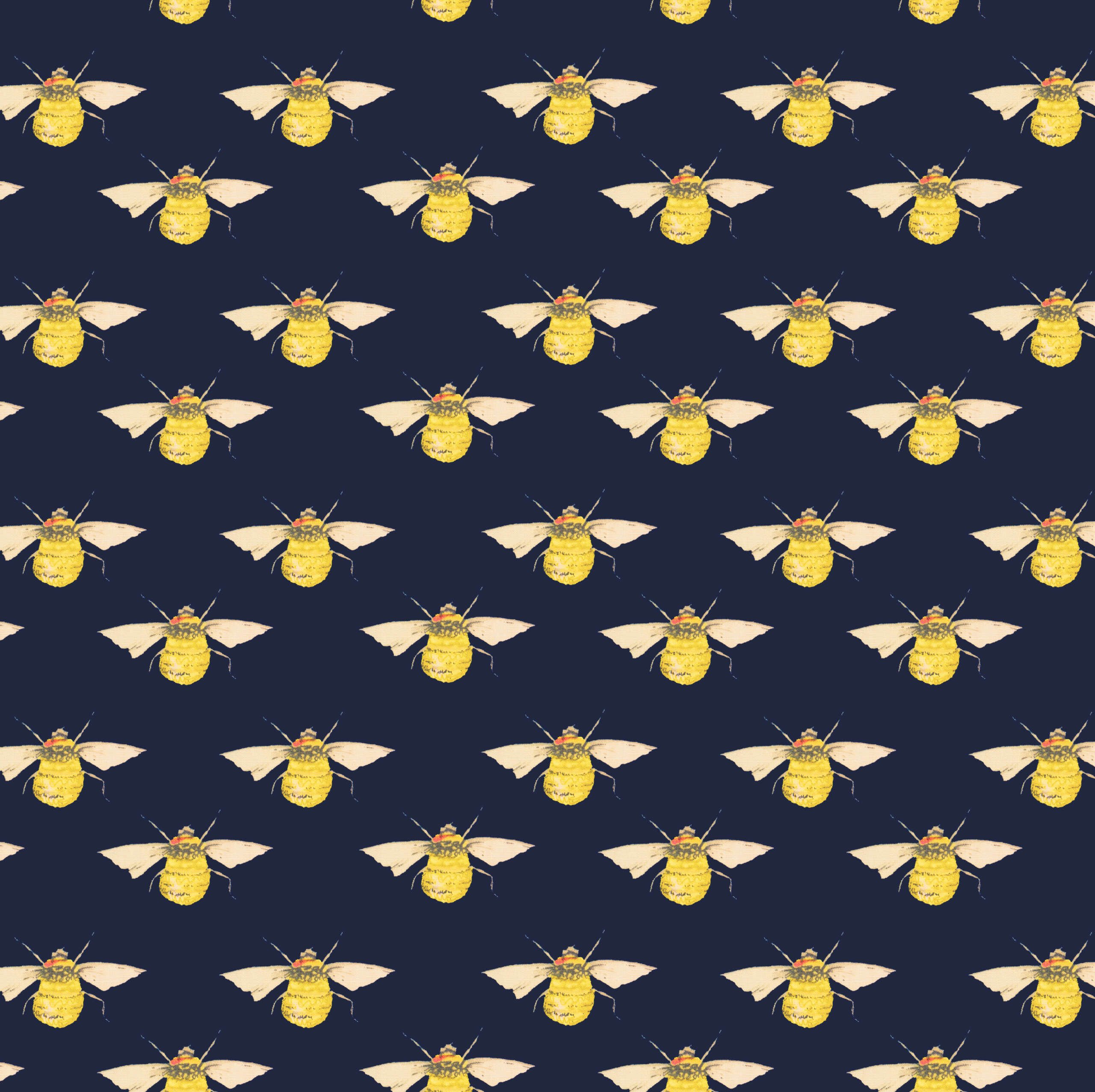
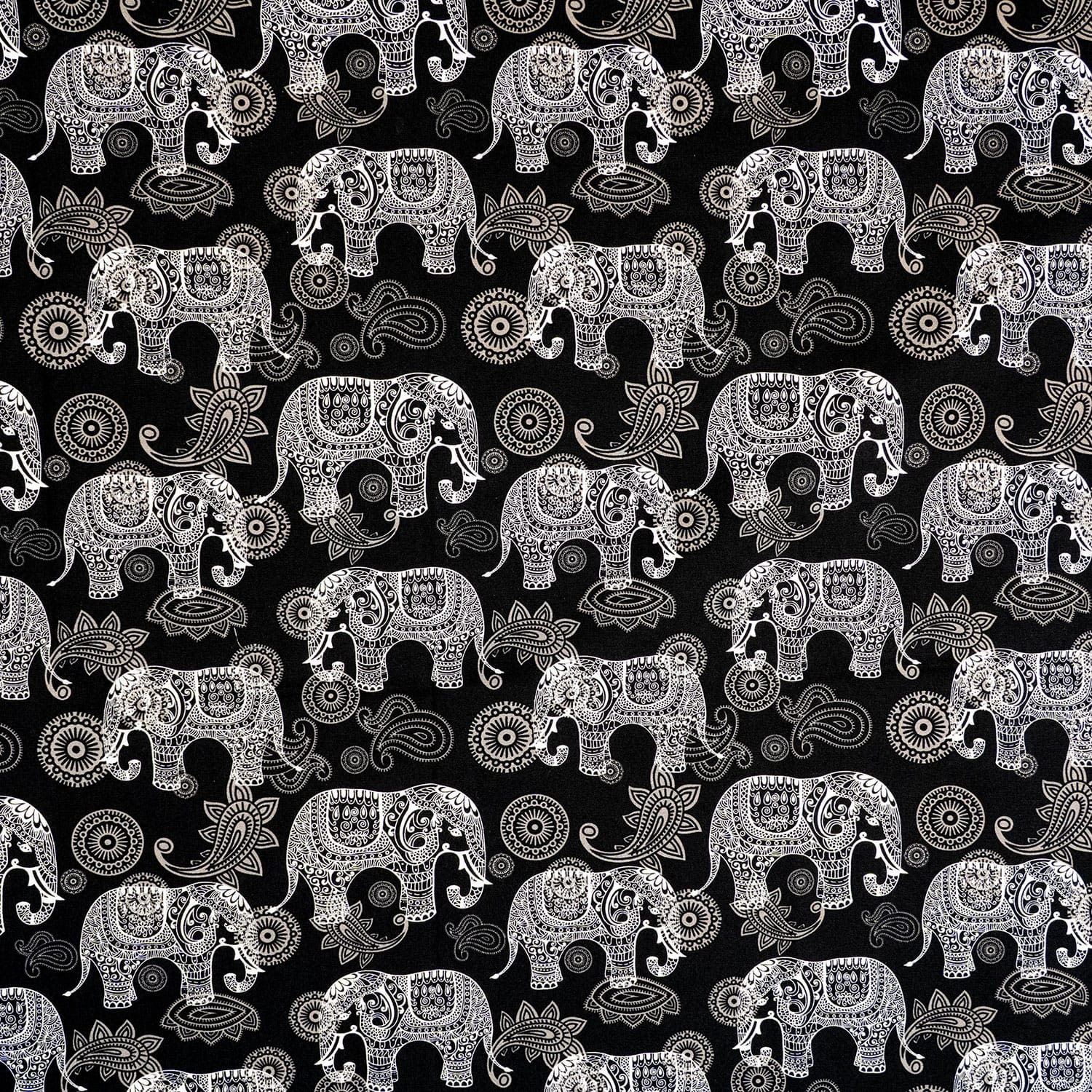
Animal Print Cotton Poplin
Leopard, tiger, and zebra prints in wearable colourways — tonal neutrals and bold seasonal statements. Works brilliantly as a shift dress or structured skirt.
Shop Animal Prints →
Summer Collection
Browse All Rose & Hubble →
Rose & Hubble Poplins — Shop the Range
Your Summer Dress Fabric is Waiting
Rose & Hubble cotton poplin — 100% cotton, 130gsm, available in polka dots, florals, and animal prints — by the metre, delivered to your door. Email 3 lands Monday 22 June with an exclusive offer on the full range. Shop now ahead of the rush.
 Patterns