

How to Weatherproof Your Garden Decor with William Morris Fabrics

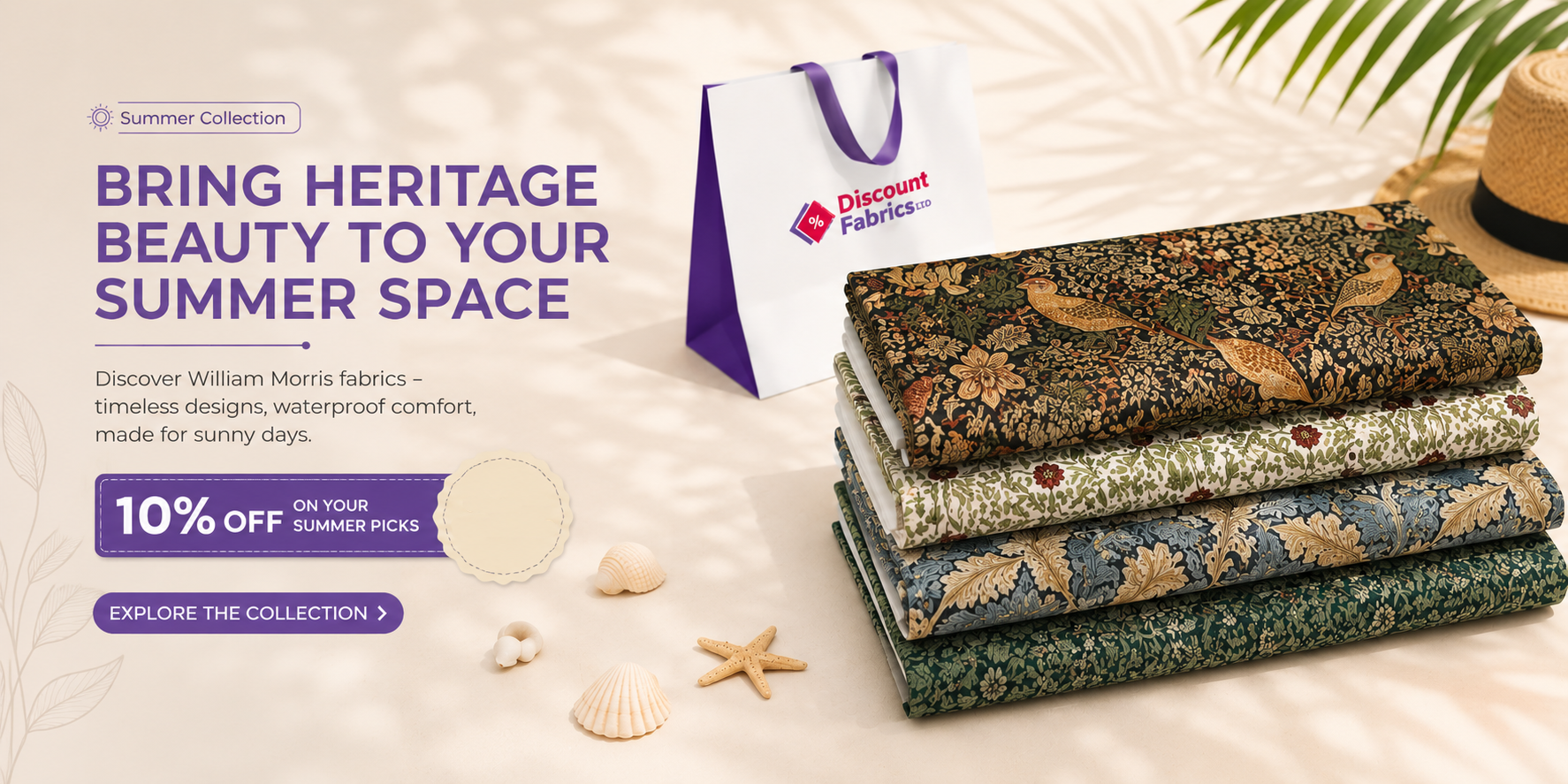
How to Weatherproof Your Garden Decor with William Morris Fabrics
The British summer is beautiful — and completely unpredictable. Here's how to dress your garden in iconic William Morris prints that laugh off rain, shrug off UV, and still look like they belong in a National Trust gift shop.
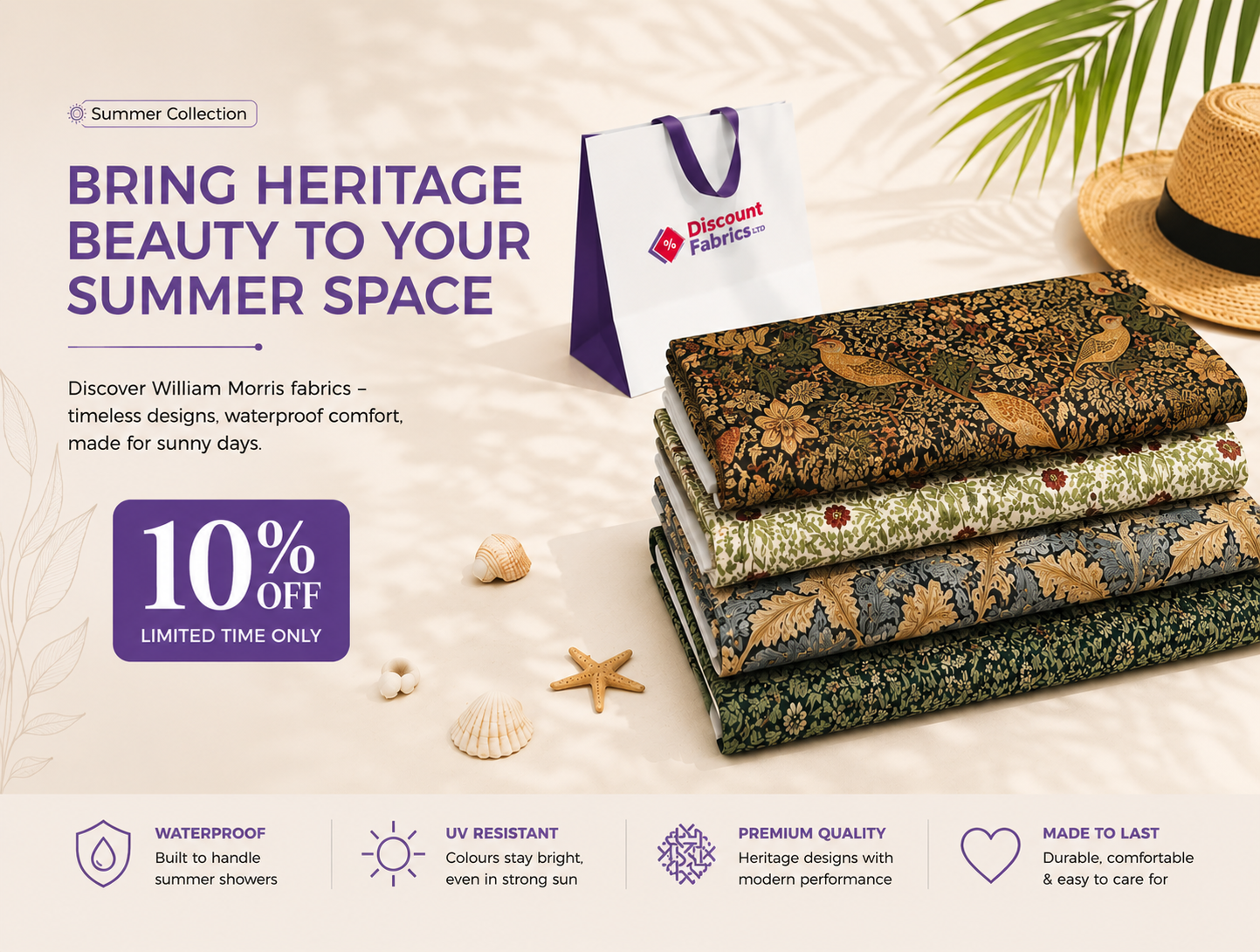
What's Inside
The Heritage Argument
Why William Morris Prints Suit British Garden Aesthetics
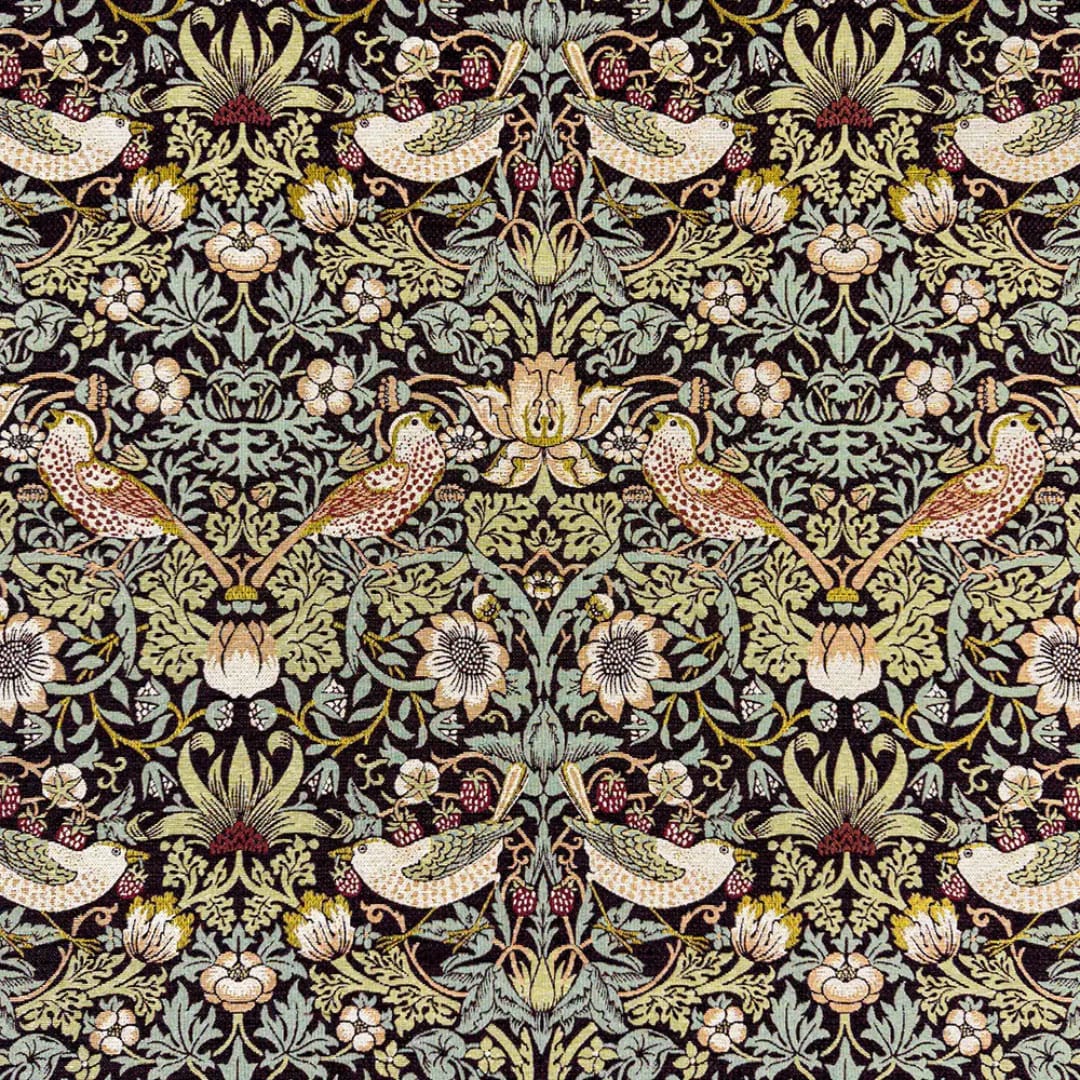
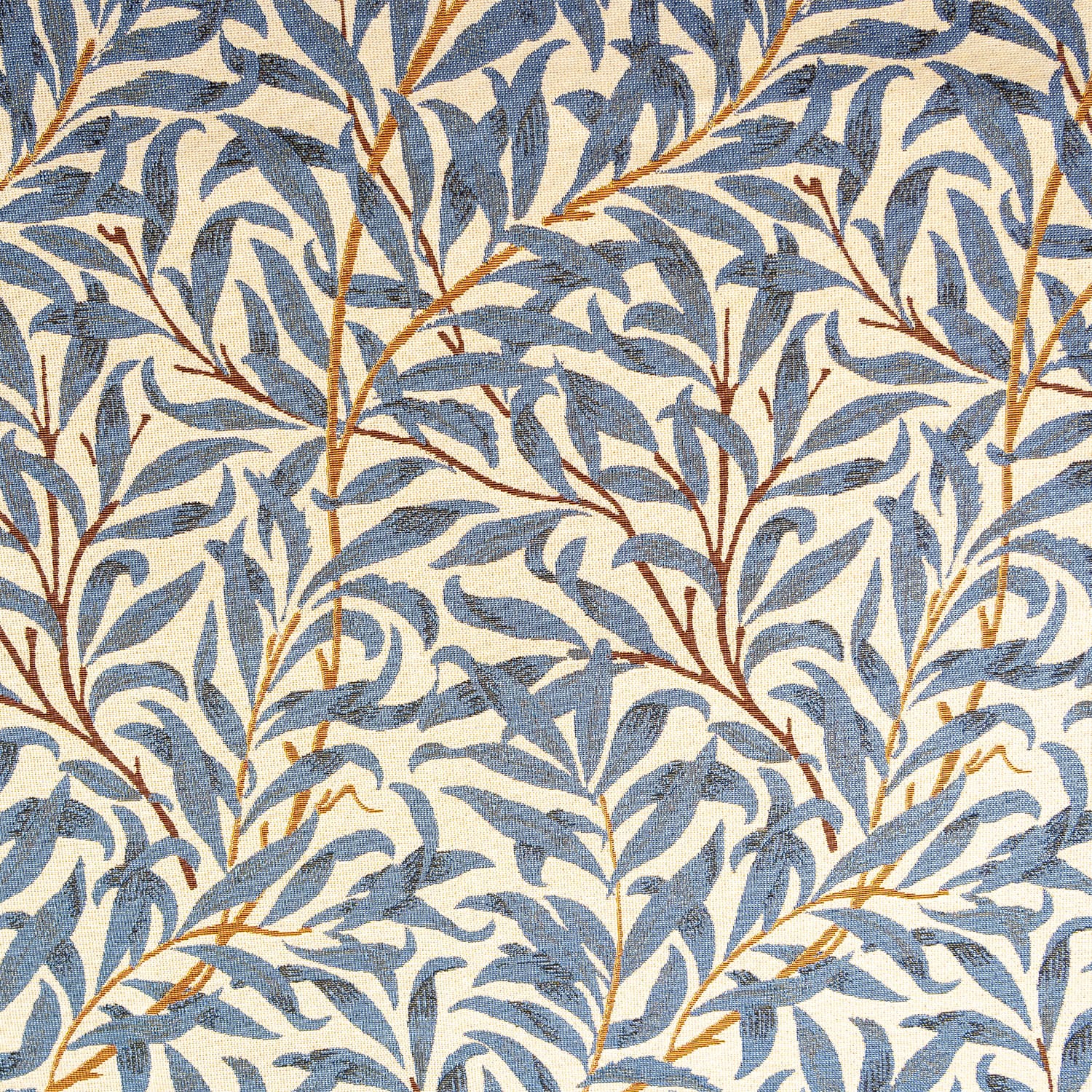
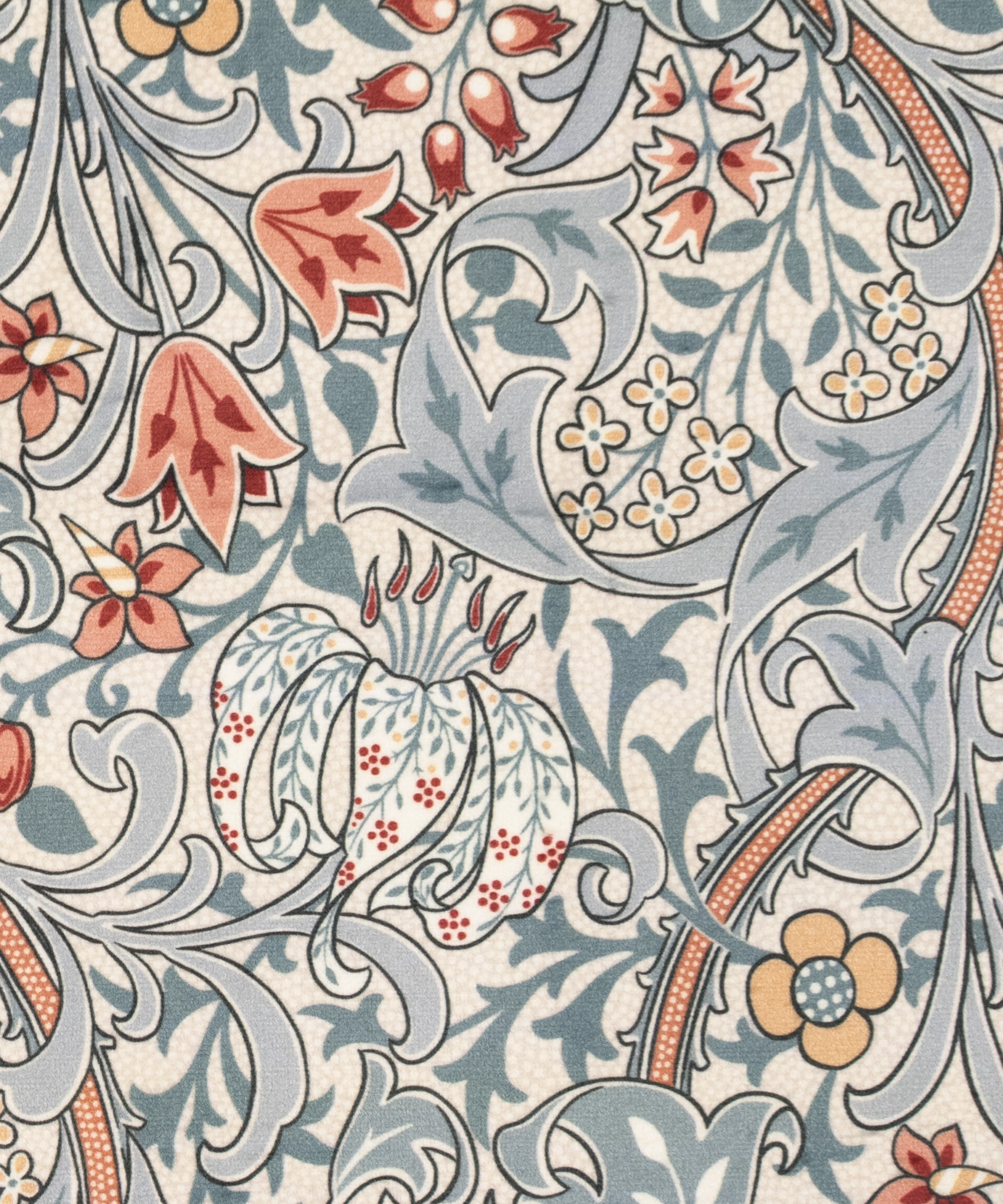
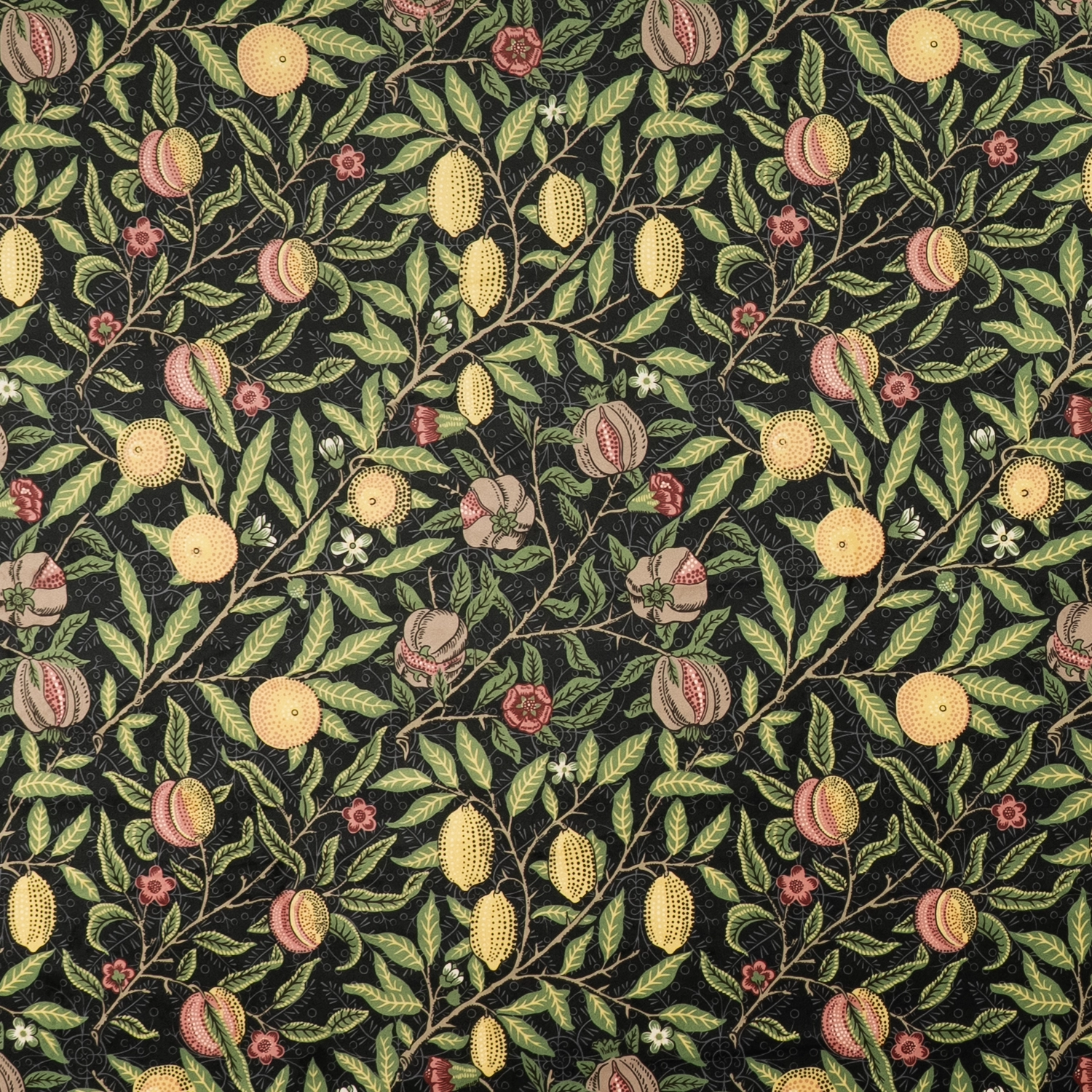
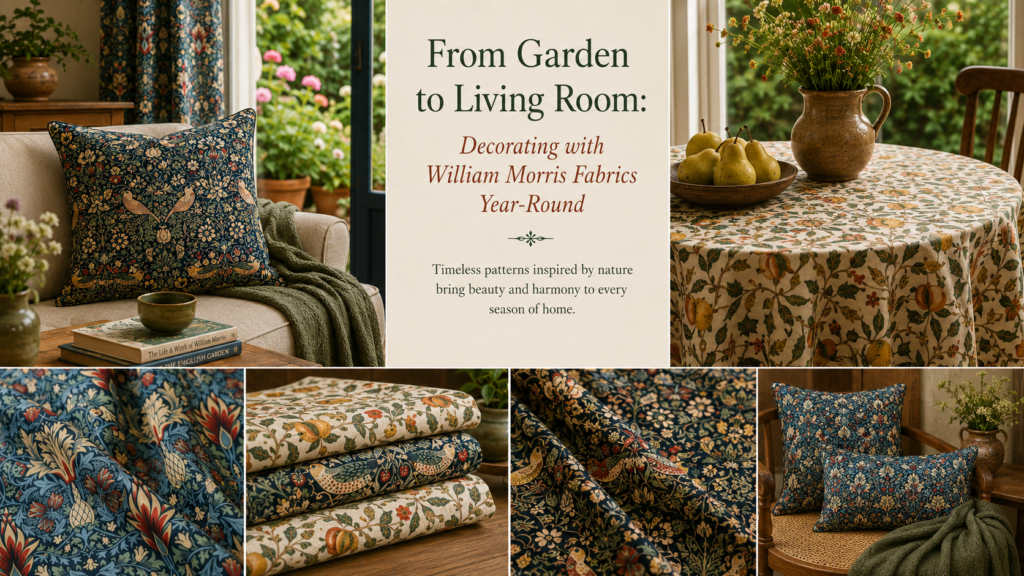
William Morris designed his patterns to reflect the natural world — specifically the English countryside. Strawberry Thief, Willow Bough, Honeysuckle, Acanthus. Every print in the canon is rooted in British flora and fauna. That's not a coincidence — it's why they look so completely at home in an outdoor setting.
The colour palettes Morris used — deep botanical greens, indigo blues, terracotta reds, and warm ochres — are the colours of an English country garden in July. They don't fight with outdoor surroundings the way geometric or abstract prints can. They belong there.
There's also a practical point that often gets missed: the scale of Morris prints works exceptionally well for large outdoor pieces. A Strawberry Thief tablecloth for a 6-seater garden table, or a set of deep-seated outdoor cushions in Willow Bough — these are large surfaces, and the generous repeat of Morris prints fills them without feeling cluttered or repeating awkwardly at seams.
- Prints based on English flora — Strawberry Thief, Willow Bough, Honeysuckle, Acanthus
- Earthy botanical colour palettes that work with any garden setting
- Large-scale repeats suited to big outdoor surfaces
- Heritage aesthetic that reads as considered design, not DIY
- Available on PU-coated outdoor fabric — fully weatherproofed
- British-made designs with over 150 years of proven appeal
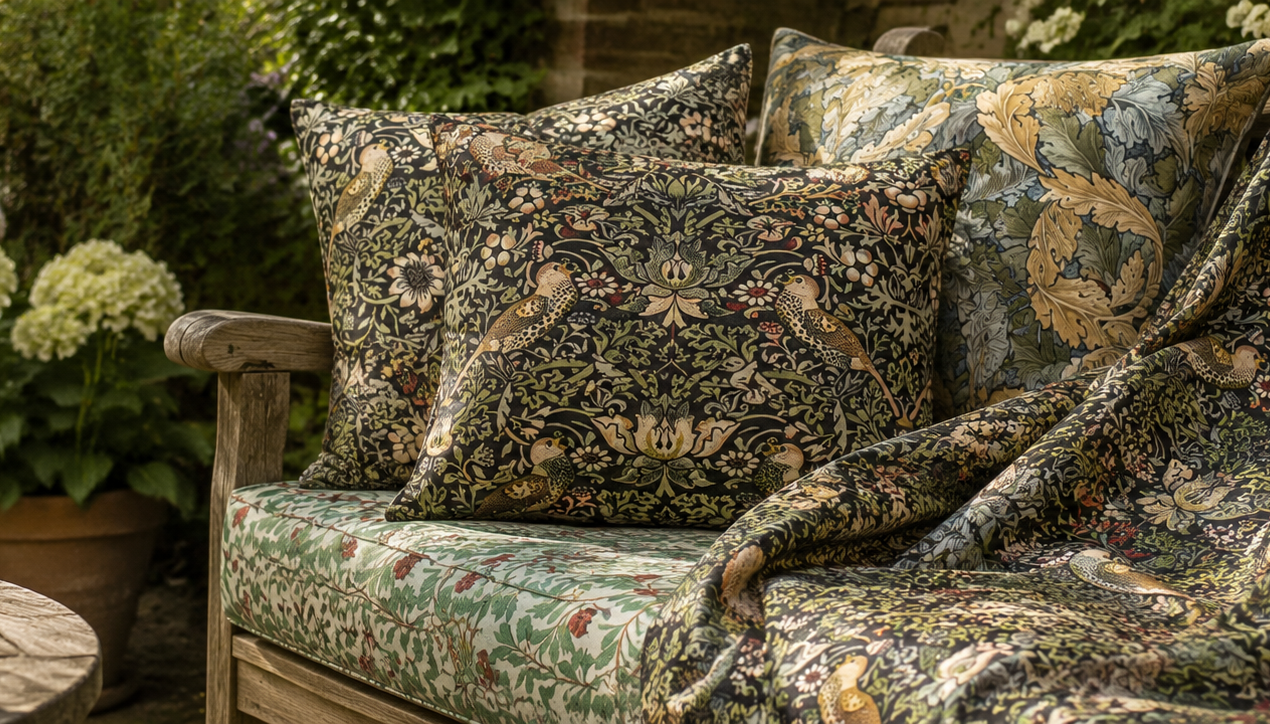
New for Summer 2026: The William Morris Outdoor Collection is now live at Discount Fabrics Ltd. This is the first time these iconic prints have been available on a fully weatherproofed outdoor base — PU-coated, UV-resistant, and sold by the metre. Order your meterage now and have your garden furniture project finished before the next garden gathering.
The Technology
How PU Coating & UV Resistance Actually Work
Waterproof fabric is not just fabric that got wet and survived. There's a specific technology behind it — and understanding how it works tells you exactly what you can and can't expect from an outdoor sewn item.
PU (Polyurethane) Coating
A thin, flexible layer of polyurethane is bonded to the back of the base fabric. This coating seals the weave, preventing water from passing through to the other side. The result is a fabric that beads and runs water off the face while the back stays completely dry. The coating is flexible — it won't crack or peel with normal outdoor use and remains effective through repeated wet/dry cycles.
UV-Resistant Treatment
UV radiation is what causes outdoor fabrics to fade, weaken, and eventually disintegrate. The UV-resistant treatment applied to the William Morris Outdoor fabric works by absorbing and dispersing UV energy before it reaches the dye molecules in the print. This is what keeps Strawberry Thief looking like Strawberry Thief after a full British summer of direct sun rather than a washed-out approximation of the original.
Print Preservation
The intricate Morris prints are applied to the fabric face before the PU coating is bonded to the reverse. This means the coating doesn't interfere with the print detail — the fine botanical linework and colour depth of the original design remain fully intact. What you're looking at from above is pure Morris design. The weather resistance is invisible and entirely on the back of the fabric.
What PU Coating Won't Do
PU-coated fabric is waterproof, not submersible. It will handle British rain, brief heavy showers, and morning dew without issue. It will not survive being left in a puddle or used as a ground sheet in sustained rain. For outdoor cushion covers, bring pads inside during prolonged wet weather — the cover will survive, but a wet foam pad left inside a waterproof cover takes days to dry and can develop mildew. The fabric is weather-resistant; the construction of your project determines how weather-proof the finished item actually is.
Make It Yours
Project Ideas — Cushions, Tablecloths & Deckchair Covers
The William Morris Outdoor fabric is 150cm wide — which means you can cut generous pieces for large outdoor projects without awkward joins. Here are the three projects that get the most from these prints and your garden space.
Project 01
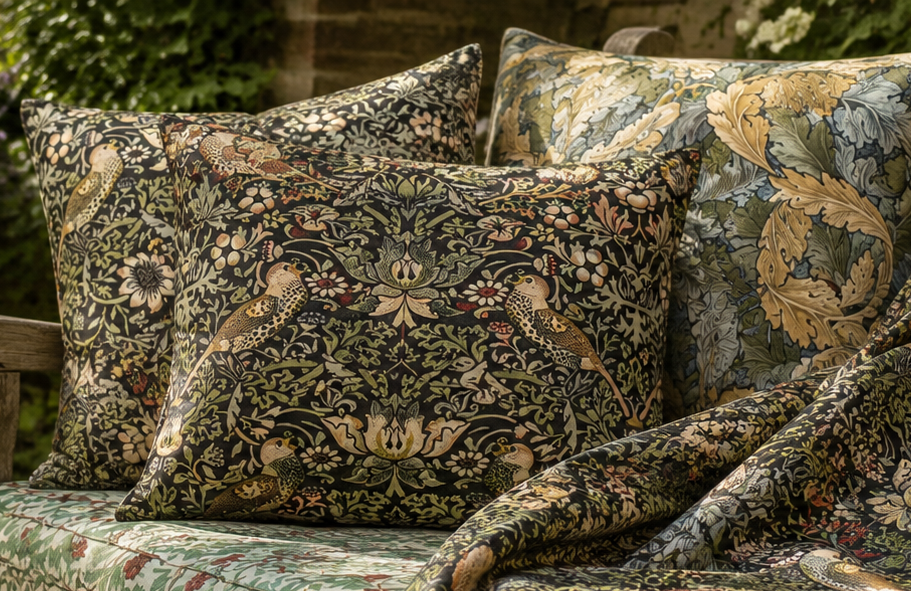
Deep-Seated Garden Cushion Covers
The most popular outdoor project for good reason. Deep-seated garden furniture cushions (typically 60–80cm square) give Morris prints the space to show their full repeat. Use a simple envelope-back construction — no zip required, easy to remove and store. Add a velcro dot at the opening for security on windy days.
Project 02
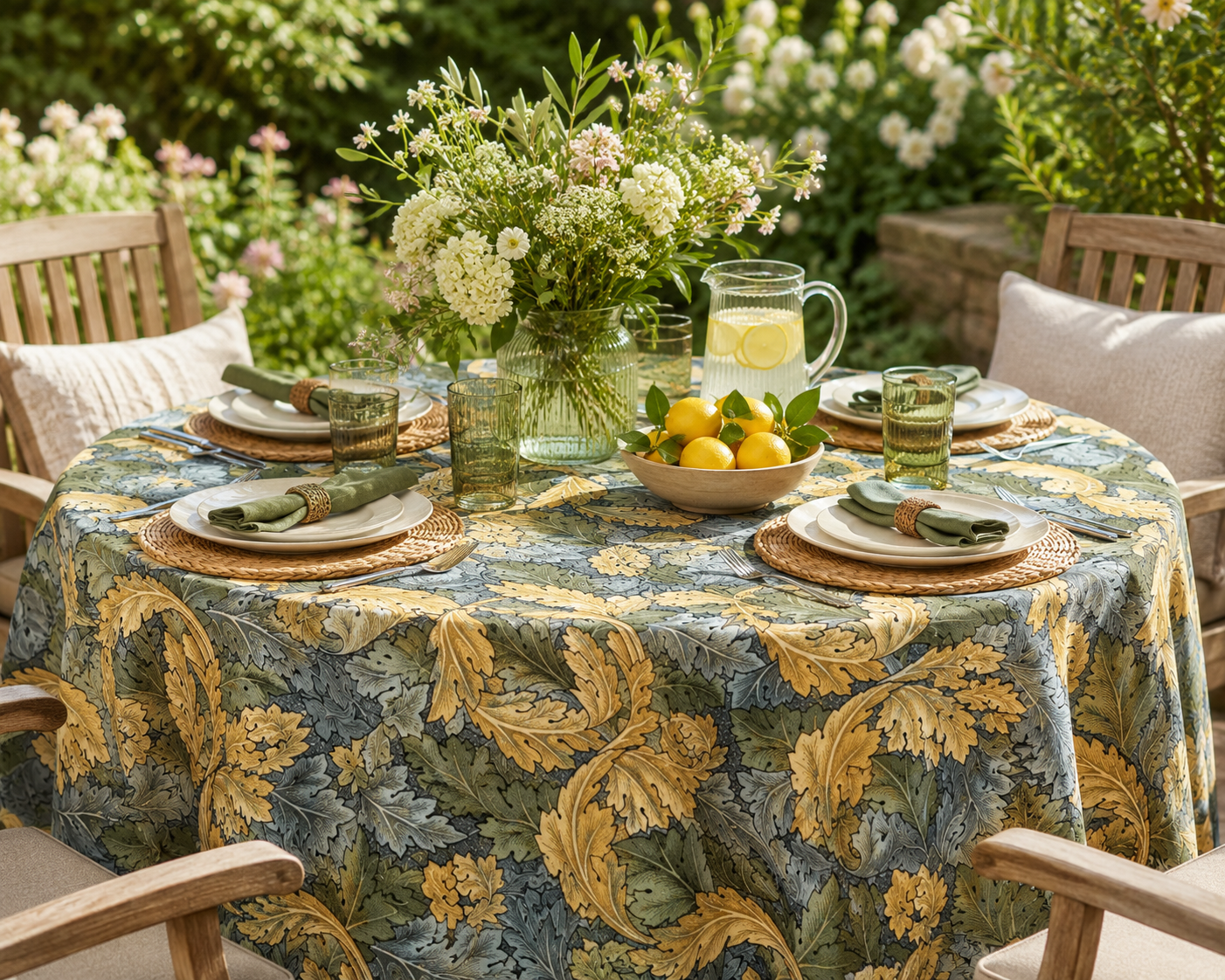
Garden Party Tablecloth
A fully waterproof tablecloth in Strawberry Thief or Honeysuckle is the centrepiece of a heritage garden party aesthetic. Water and food spills wipe straight off the PU-coated face. For a 6-seater garden table (typically 180cm x 90cm), allow 2.5–3m of 150cm-wide fabric — enough for a generous overhang on all sides. Hem with a double-turned 2cm hem, mitreing the corners neatly.
Project 03
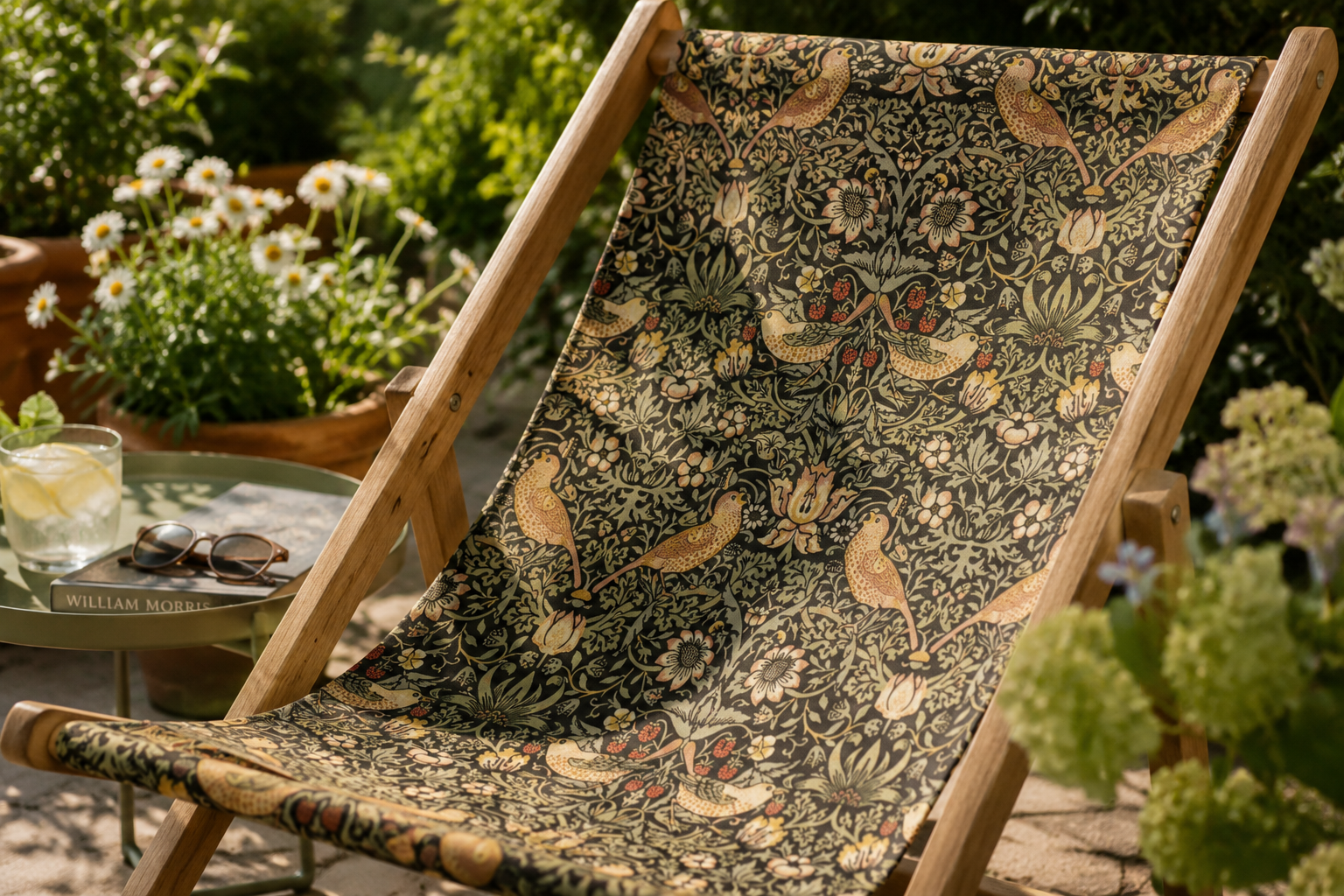
Deckchair Cover Replacement
Deckchair fabric is one of the easiest replacements in home sewing — just a long strip with folded ends that slot onto wooden dowels. A standard deckchair needs approximately 1m x 45cm of fabric. Cut to size, fold 3cm at each short end, stitch a channel wide enough for your dowels, and you're done. In William Morris Outdoor fabric, the result looks like bespoke garden furniture. Willow Bough in the natural colourway is particularly well-suited.
Sewing Waterproof Fabric — What's Different?
PU-coated fabric doesn't ease or stretch the same way uncoated fabric does, and the coating side can stick to a standard presser foot. Use a Teflon or walking foot to prevent dragging. Increase stitch length to 3–3.5mm — shorter stitches perforate the coating more aggressively, which can compromise waterproofing at the seam. Press from the right side only (never iron directly onto the coated back). Use polyester thread throughout — cotton thread degrades faster outdoors.
Construction
Sewing Tips for Waterproof Outdoor Fabric
PU-coated fabric behaves differently from regular dress or upholstery fabric. These five adjustments cover the most common issues makers run into on their first outdoor project.
1
Use a Teflon or Walking Foot
A standard metal presser foot drags against the PU coating, causing the fabric to bunch and feed unevenly. A Teflon foot (non-stick coated) or a walking foot (which grips both top and bottom layers simultaneously) solves this immediately. Most domestic machine brands sell compatible alternatives for under £15. This is the single most impactful equipment change you can make for outdoor fabric projects.
2
Increase Your Stitch Length to 3–3.5mm
Every needle puncture creates a small hole in the PU coating. More stitches per centimetre means more holes — and a seam that's more likely to allow water ingress under sustained pressure. A 3–3.5mm stitch length gives you a strong, secure seam with minimal coating damage. For topstitching on a tablecloth hem, 3.5mm also looks cleaner at this scale.
3
Use Pins in the Seam Allowance Only
Unlike regular fabric, pin holes in PU coating are permanent. Every pin that goes through the face of the fabric outside the seam allowance leaves a visible mark. Pin only within the seam allowance (which will be sewn and trimmed), or switch to pattern weights and clips entirely — these are actually faster for large outdoor pieces. Wonder Clips in particular are excellent for holding thick outdoor fabric at corners.
4
Press from the Right Side with a Pressing Cloth
Never apply a hot iron directly to the PU coating — it will melt, delaminate, and leave a permanent mark. Always press from the printed face, using a pressing cloth between the iron and the fabric. Use a medium heat (wool setting or lower). You won't get the same crisp press you'd get on a cotton poplin, but seams will lie flat enough for a clean finish. Alternatively, finger-press seams open and use clips to hold them flat while they set.
5
Seam Seal for Full Waterproofing
If you want a genuinely watertight seam — not just weather-resistant — apply seam sealant tape or liquid seam sealer to the inside of each sewn seam after construction. This is standard practice for outdoor gear (tents, waterproof jackets) and takes 10 minutes for a full cushion cover. For tablecloths and deckchair covers where the seam sits on top rather than facing rain directly, it's optional. For cushion covers that will be left out overnight, it's worth doing.
Longevity
Care Tips for Outdoor Sewn Items
PU-coated outdoor fabric is designed for outdoor use — but how you look after it determines whether it lasts one summer or five. These are the care rules that matter.
| Situation | What to Do | What to Avoid |
|---|---|---|
| Day-to-day cleaningSurface dirt, bird droppings, pollen, food spills on the fabric face. | Wipe immediately with a damp cloth. For stubborn marks, use a diluted mild soap solution and a soft brush. Rinse with clean water, allow to air dry fully in an upright position before storing. | Abrasive scourers, bleach, and solvent-based cleaners. These strip the PU coating and UV treatment, compromising waterproofing and causing print fading. |
| Machine washingAfter a wet summer, covers may need a full wash. | 30°C maximum, gentle cycle only. Use a mild liquid detergent — no powder. Remove promptly and air dry flat. Do not tumble dry at high heat. | Fabric softener (coats fibres and degrades the PU coating over time), biological detergent (enzyme action can damage the coating), and spin cycles above 800rpm — excess mechanical stress weakens the lamination bond. |
| End of season storagePutting garden items away for winter. | Clean thoroughly, allow to dry completely (including any zips or velcro closures), fold loosely rather than compressing tightly, and store in a dry, ventilated space. A breathable fabric storage bag is ideal. | Storing damp — mildew develops at the seams where trapped moisture sits against the PU coating. Avoid airtight bags which trap humidity and can cause the coating to delaminate over winter. |
| Prolonged rain exposureUnexpected heavy downpours or covers left out overnight. | Allow to drain and dry naturally in an upright or hung position. The PU coating will repel standing water from the face. Check that seams are still sealed if covers have been exposed to sustained rain pressure. | Bringing wet covers inside and folding or stacking them — trapped moisture between folds encourages mildew at the seams. Air dry fully before storing. |
Refreshing the Water Repellency
After several seasons of washing and outdoor use, the DWR (Durable Water Repellency) finish on the fabric face can diminish — water stops beading and starts spreading rather than running off. The PU coating on the back still provides waterproofing, but refreshing the face treatment gives you full performance again. Use a spray-on DWR reproofing product (available from outdoor gear retailers) applied to the clean, dry fabric face. One application per season is usually sufficient.
Heritage Garden Collection
Browse Full Outdoor Range →
Shop the William Morris Outdoor Range
Your Garden Deserves Better Than Polyester
William Morris Outdoor fabric — iconic British heritage prints on a fully weatherproofed, UV-resistant base — is now live on the DFL site. Order your meterage now and have cushion covers, a tablecloth, or a deckchair cover finished before your next garden gathering.



 Patterns