

How to Sew with Wool-Look Tartan and Faux Fur Without the Stress

Dressmaking · 16 September 2026 · 7 min read
How to Sew With Wool-Look Tartan and Faux Fur Without the Stress
Two fabrics with a fearsome reputation, and neither of them deserves it. Here is the cutting, pinning and stitching method that keeps your table clean and your checks straight.
215GSM wool-look tartan
58″Tartan fabric width
60″Plush faux fur width
30Minute beginner poncho
What this guide covers
Six short sections, from first cut to final press.
Start here
Why these two fabrics feel difficult
Tartan punishes careless cutting and fur makes a mess of it. Understand what each one does before you pin, and both become straightforward.
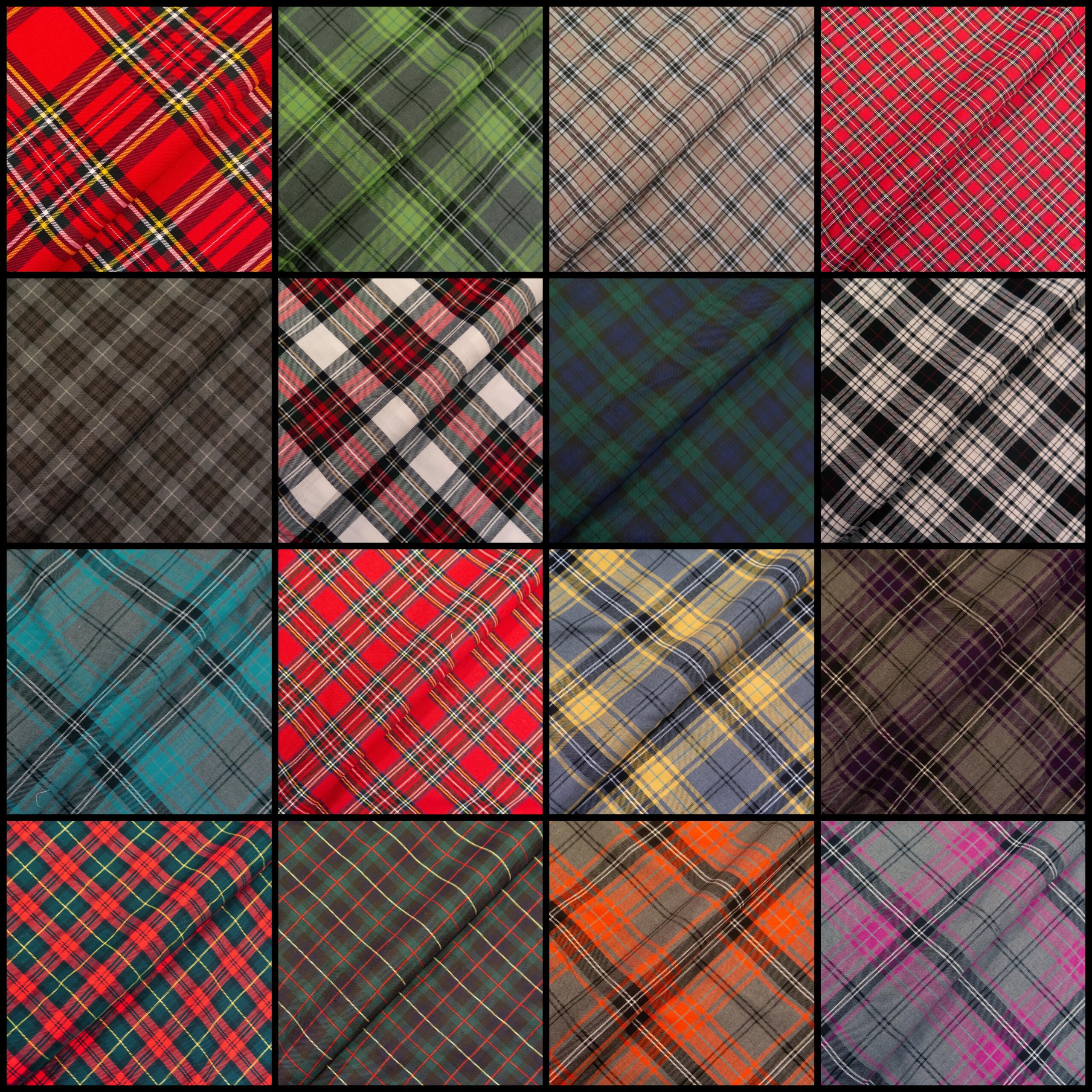
Wool-Look TartanPolyviscose
The handle of wool with none of the itch, machine washable at 30°C.
- Watch The check repeat must line up across every seam.
- Helps Wide 58″ width means fewer joins on capes.
- Best for Capes, ponchos, dusters and pleated midi skirts.
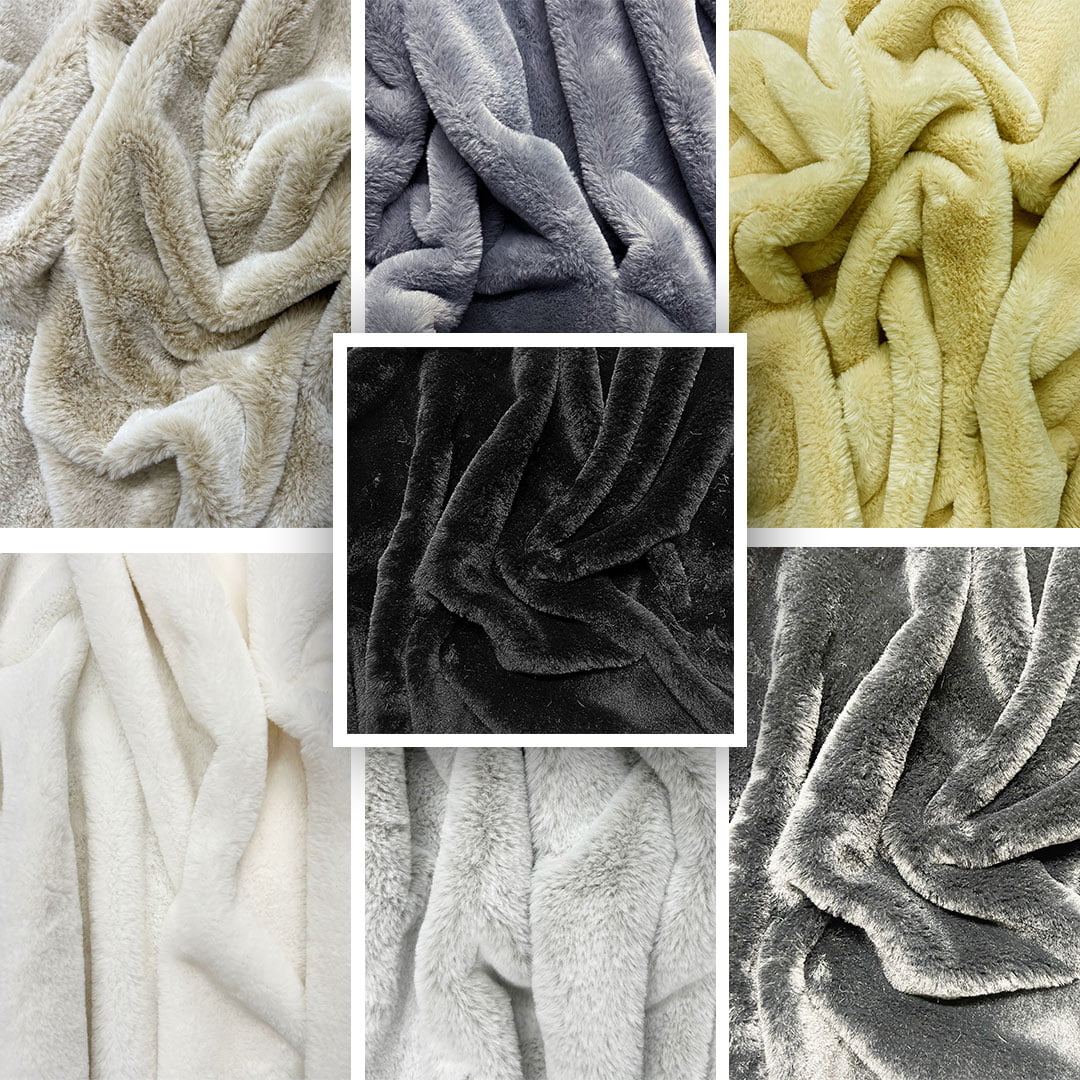
Plush Faux FurPolyester pile
A soft pile on a knitted backing with four-way stretch and a 60″ width.
- Watch Scissors through the pile shed fibres everywhere.
- Helps The backing does not fray, so seam finishing is optional.
- Best for Collars, cuffs, hood linings and cropped gilets.
Technique one
Cutting faux fur without the mess
The rule is simple: cut the backing, never the fur. Work from the wrong side and the pile stays on the fabric instead of on your floor.
1
Lay it pile-side down
Place the fur face down and mark your pattern pieces on the knitted backing.
2
Mark the nap direction
Stroke the pile, then draw an arrow on every piece so the fur runs downwards.
3
Cut the backing only
Use a craft knife or short-bladed scissors with just the tips under the backing.
4
Tease the seam apart
Pull the cut edges gently so trapped fibres spring back out of the seam line.
5
Push the pile inwards
Comb the fur away from the raw edge and pin it flat before it reaches the needle.
6
Comb the finished seam
Run a blunt needle along the stitching to lift any fibres caught underneath.
Tip
Vacuum as you go rather than at the end. Loose pile spreads the moment it dries out, and a quick pass between pieces keeps the whole job contained to one table.
Technique two
Pattern-matching tartan checks
Straight horizontal lines across a side seam are the difference between handmade and homemade. Two habits get you there.
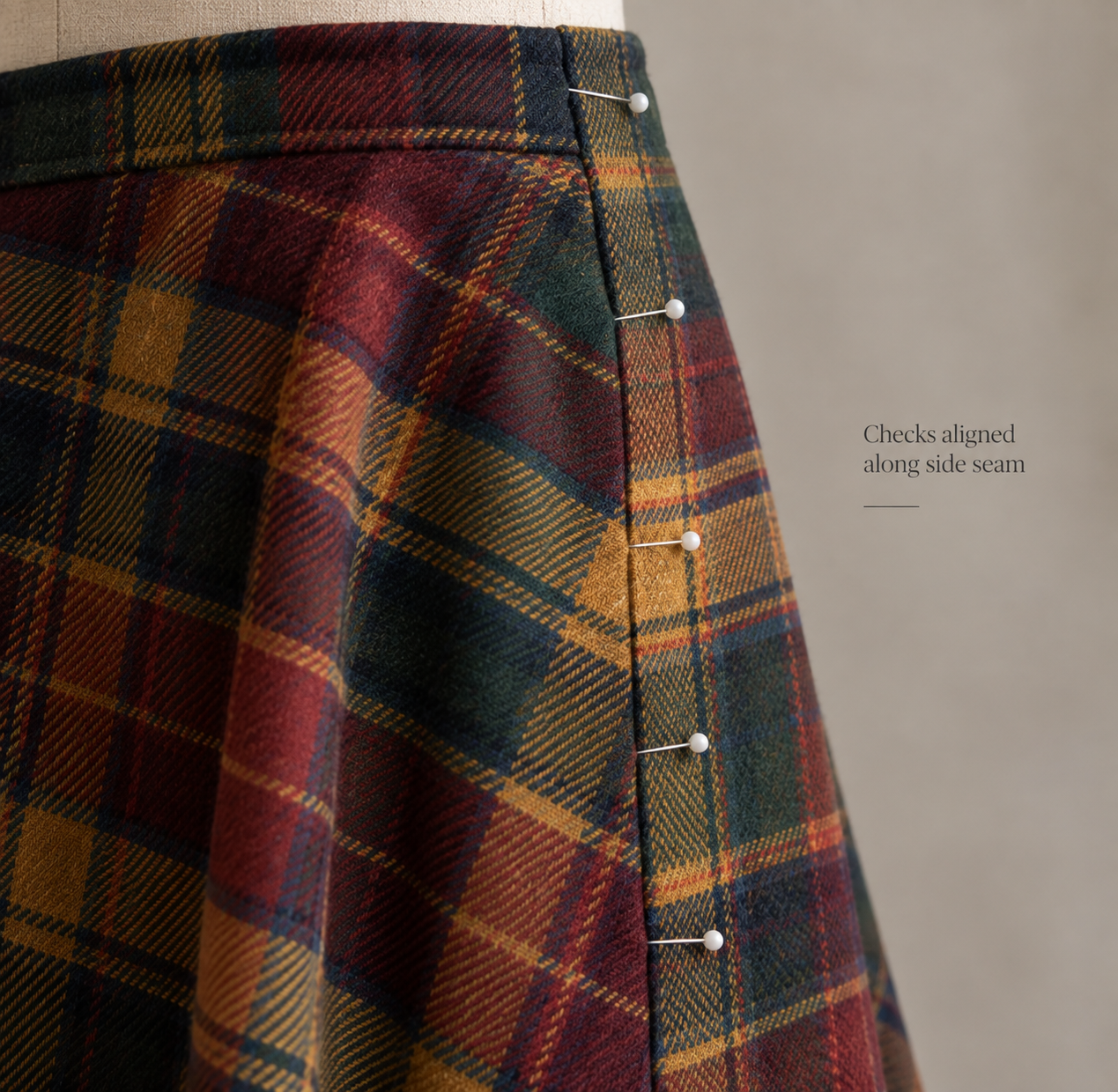
Pinning
Match the line, then pin the line
Fold your seam allowance under on one piece, lay it over the second piece and slide it until the horizontal bars sit on top of each other.
Pin through both layers directly on the bar you are matching, at right angles to the seam, every 5cm.
Stitching
Let a walking foot do the feeding
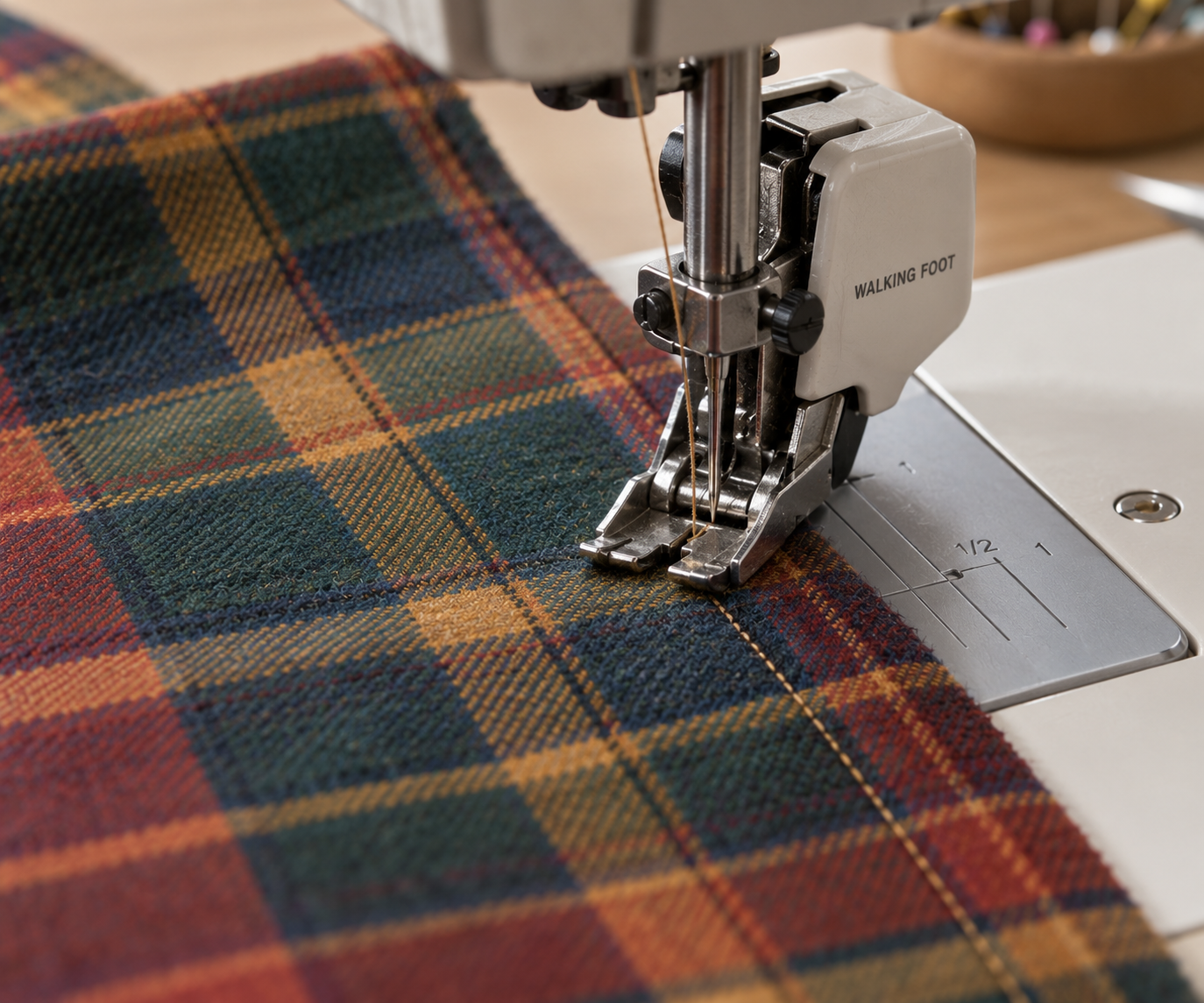
A walking foot moves both layers at the same rate, so the lower piece cannot creep forward and drag your checks out of line.
Sew slowly, remove each pin as you reach it, and check the match on the right side after the first 10cm.
Reference
Needles, thread and machine settings
Set the machine up correctly once and most problems with these fabrics disappear before they start.
| Fabric | Needle | Stitch length | Foot | Notes |
|---|---|---|---|---|
| Wool-Look Tartan | Universal 80/12 | 2.5mm | Walking foot | Tack matched seams before the final stitch line. |
| Plush Faux Fur | Universal 90/14 | 3.5mm | Walking foot | Longer stitches stop the pile bunching under the foot. |
| Anti-static lining | Microtex 70/10 | 2.0mm | Standard | Keeps sleeves sliding over knitted jumpers. |
Tip
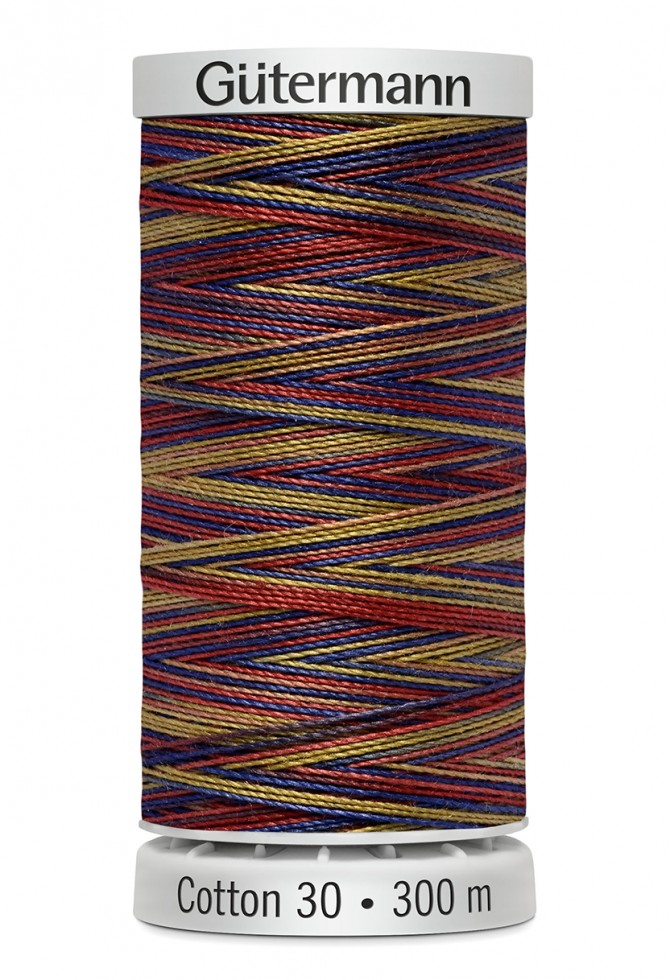
Match your polyester thread to the darkest colour in the tartan rather than the brightest, so any stitching that shows disappears into the line instead of sitting on top of it.
Project
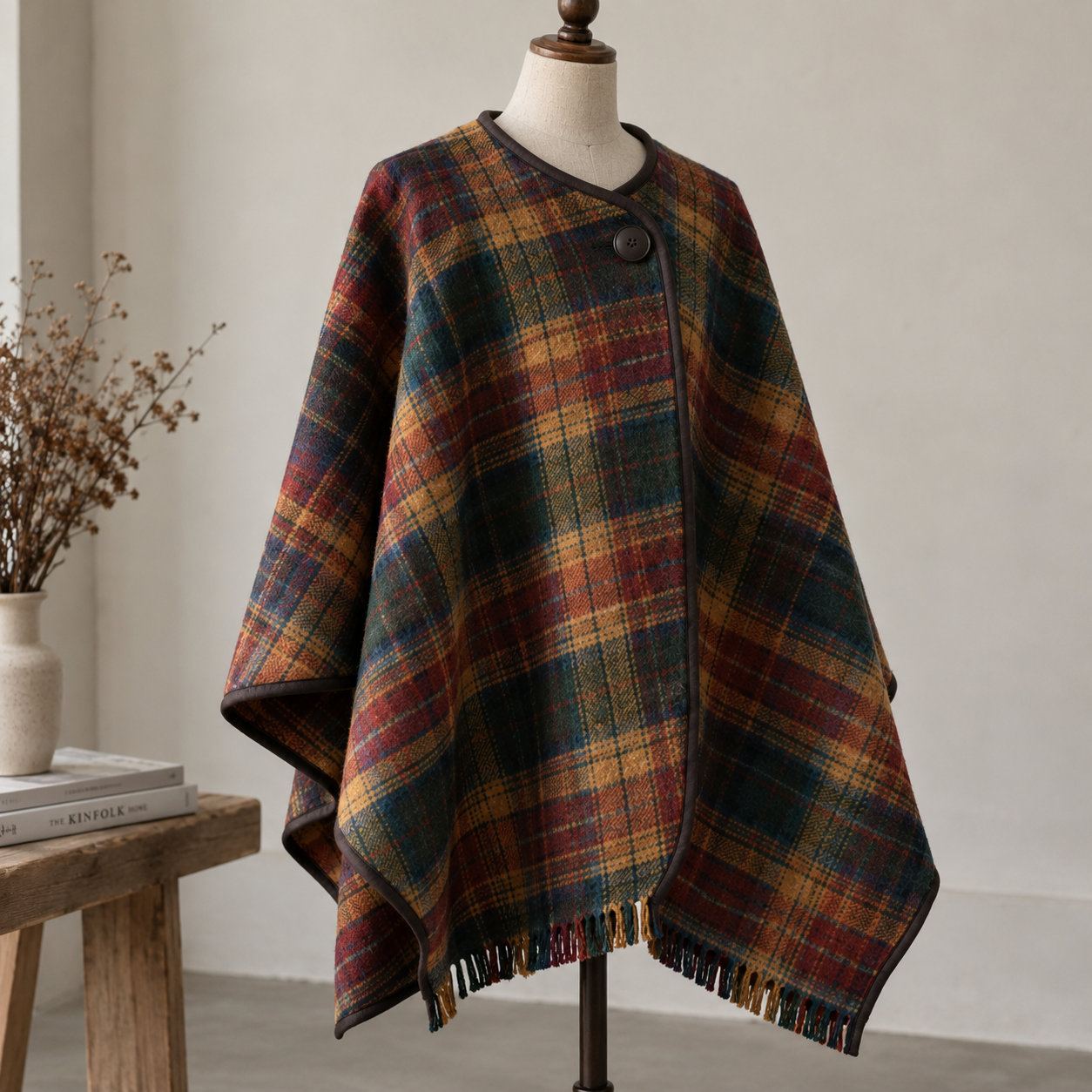
The 30-minute tartan poncho
One rectangle, one neck opening, one fringed edge. No pattern, no fastenings, no fitting.
1.5m
Fabric needed
A single 1.5 metre cut of 58″ wool-look tartan makes a full adult poncho with fringe to spare.
Get the tartan→Cut a rectangle 150cm wide by 110cm long, keeping the checks square to the table edge.
→Fold it in half widthways and mark a 24cm slit along the fold for the neck.
→Cut the slit, then stitch 5mm from the raw edge to stabilise it before handling further.
→Bind the neck opening with bias binding, or turn it twice and topstitch for a flatter finish.
→Fringe the outer edges by pulling out horizontal threads to a depth of 3cm on all four sides.
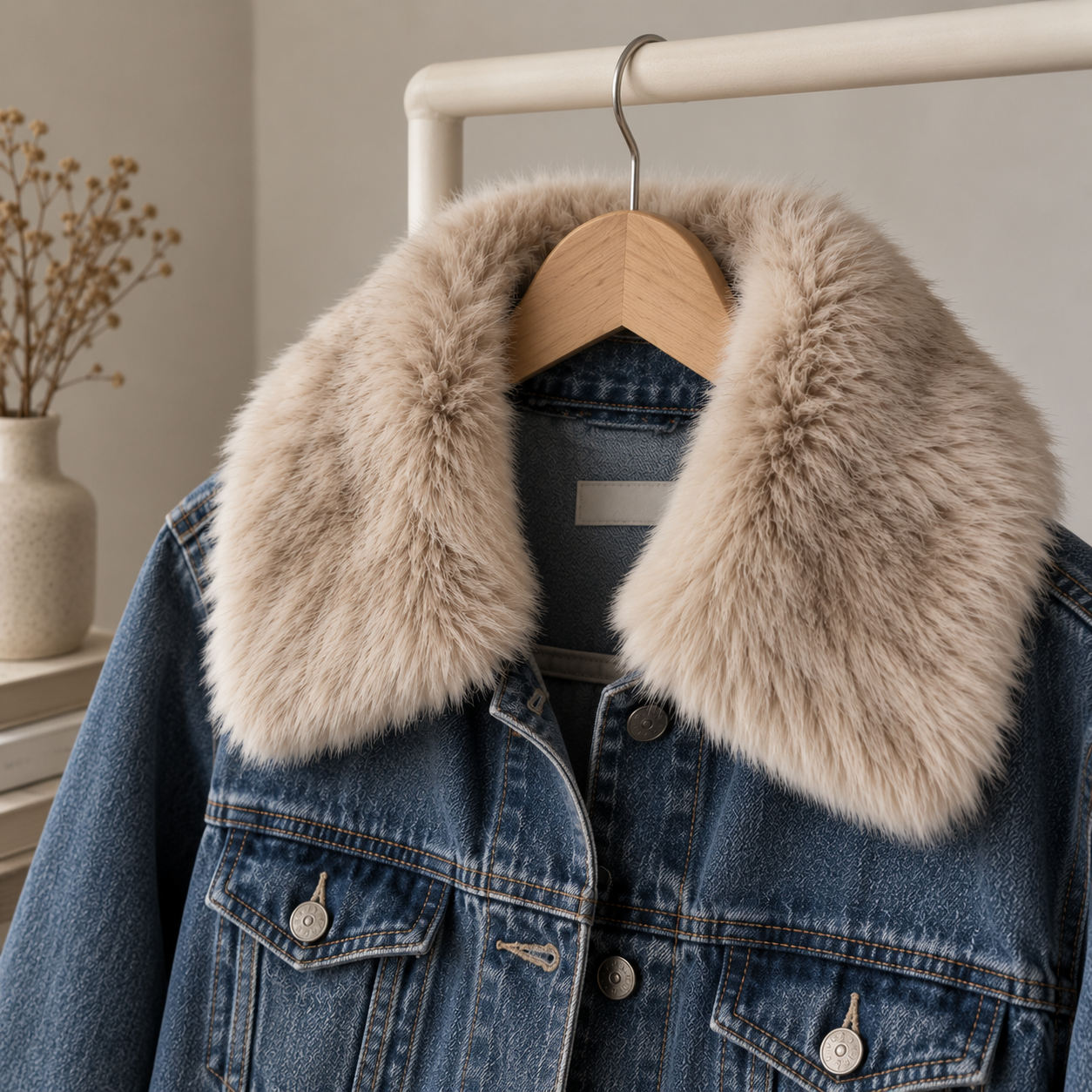
→Press the fringe flat, then add a detachable faux fur collar for the finished look.
Finishing
Pressing, finishing and care
Both fabrics are synthetic, so heat is the one thing that will ruin an otherwise perfect make.
✓Press tartan from the wrong side on a low setting with a pressing cloth.
✓Never iron faux fur. Finger-press the seam allowances and let the pile settle.
✓Leave faux fur raw edges unfinished, as the knitted backing does not fray.
✓Machine wash both at 30°C and line dry, keeping fur out of the tumble dryer.
✓Shake and comb fur once dry to bring the pile back to full loft.
✓Store capes folded along a check line so any crease falls where it is invisible.
Shop the guide
Everything in this project

Heritage warmth, sewn your way
Wool-look tartans and plush faux fur, cut to the metre and dispatched same day before 2 PM.
Finish it properly
Threads, linings and haberdashery to match every shade in your check.

 Patterns