

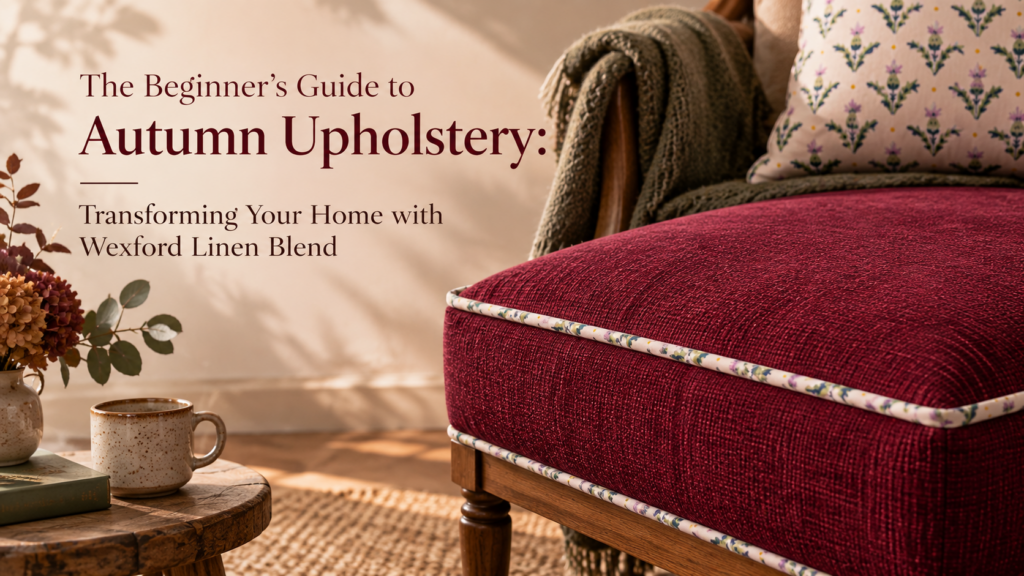
The Beginner’s Guide to Upholstery: Transforming Furniture with Wexford Linen Blend

Upholstery Guide · Wexford Linen Blend · 22 Aug 2026 · 9 min
The Beginner's Guide to Upholstery: Transforming Furniture with Wexford Linen Blend
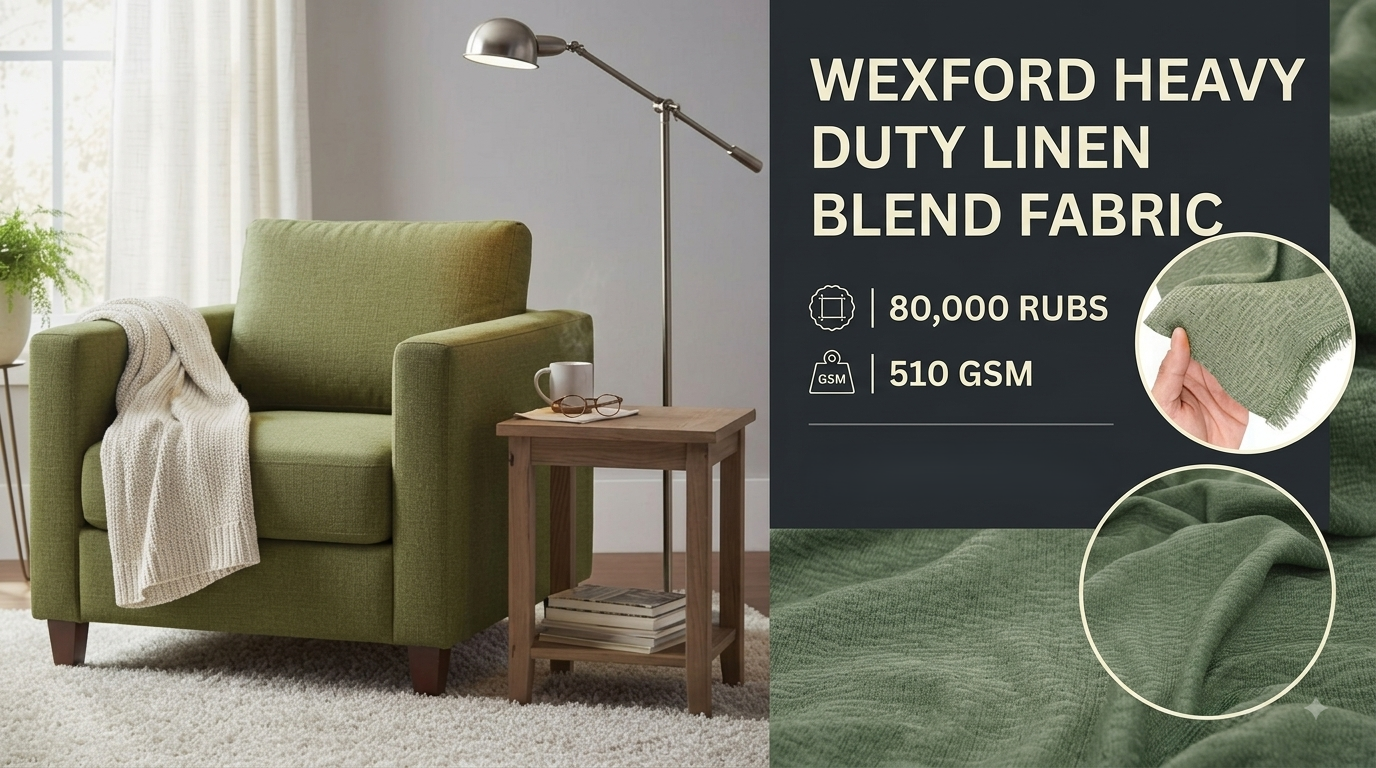
510 GSM. 80,000 Martindale Rubs. Four autumn shades. Here's everything you need to tackle your first upholstery project this summer.
The Numbers
Why GSM and Rub Test Ratings Actually Matter
Two numbers tell you almost everything about whether an upholstery fabric will last. Here's what they mean in plain English — and why Wexford sits at the top end of both.
GSM — Grams Per Square Metre
Weight = Structure
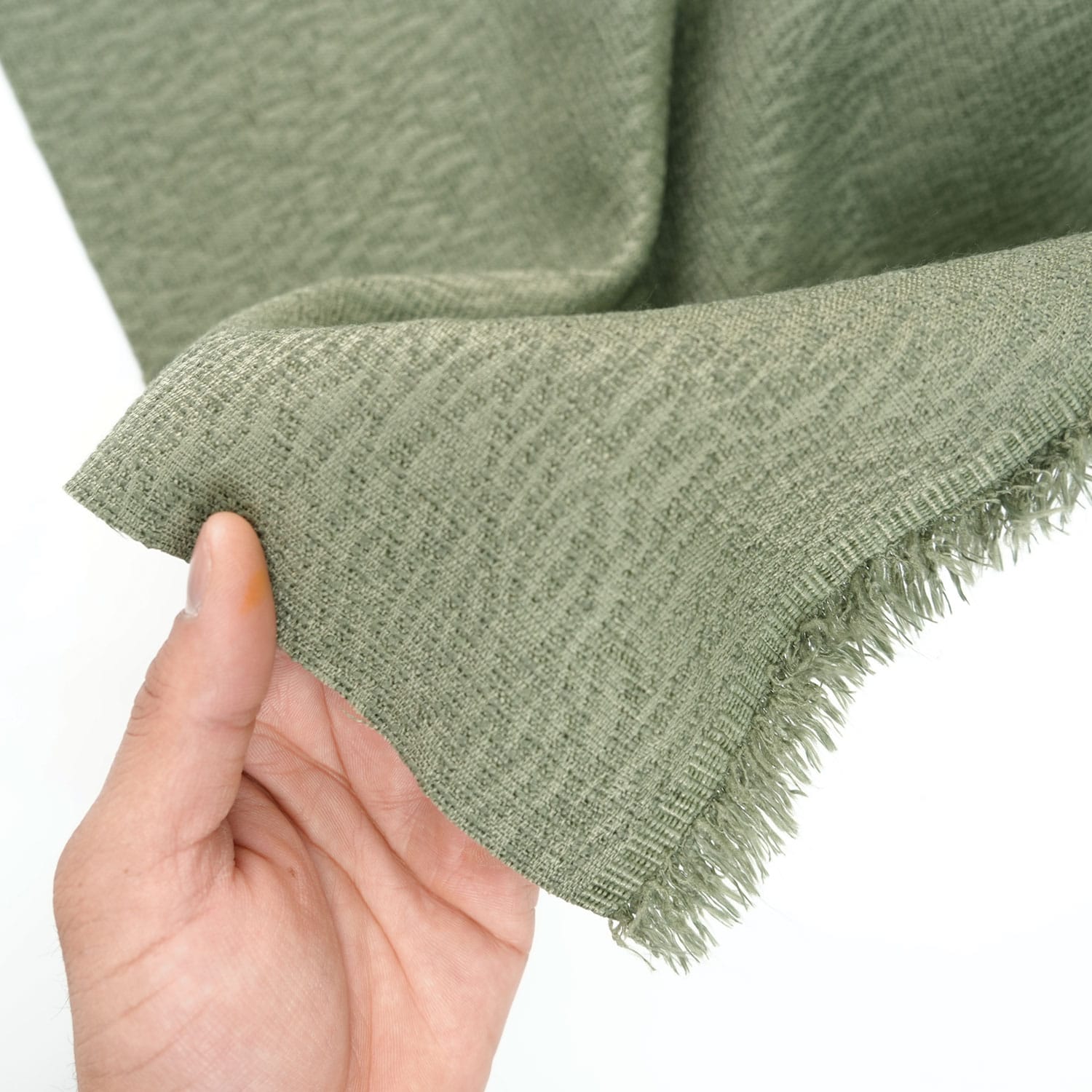
GSM tells you how dense and heavy the fabric is. Lightweight dressmaking fabrics sit at 80–150 GSM. Standard upholstery starts around 280–350 GSM. Wexford is 510 GSM — that's heavy-duty commercial weight. It won't crease under sustained pressure, it holds its shape over years of use, and it has the structural integrity to survive being stretched, stapled, and sat on daily. At 510 GSM, you can feel the difference the moment you pick it up.
Martindale Rub Test
Durability = Longevity
The Martindale test presses a standard wool cloth against the fabric in a figure-of-eight pattern, counting cycles until the surface shows wear. Domestic furniture is typically rated at 15,000–25,000 rubs. Contract-grade commercial furniture starts at 40,000. Wexford is rated at 80,000 rubs — twice the commercial minimum. On a family sofa or dining chair, that translates to years of heavy use before the fabric shows any sign of wear at all.
Why 95% Polyester / 5% Linen?
Pure linen looks beautiful but creases, softens, and degrades under sustained abrasion. Blending 95% polyester gives the fabric its extreme durability and crease resistance. The 5% linen content is what delivers the natural texture and aesthetic. You get the look of a premium linen weave with the structural performance of a technical fabric.
Before You Start
Tools You Need Before You Start
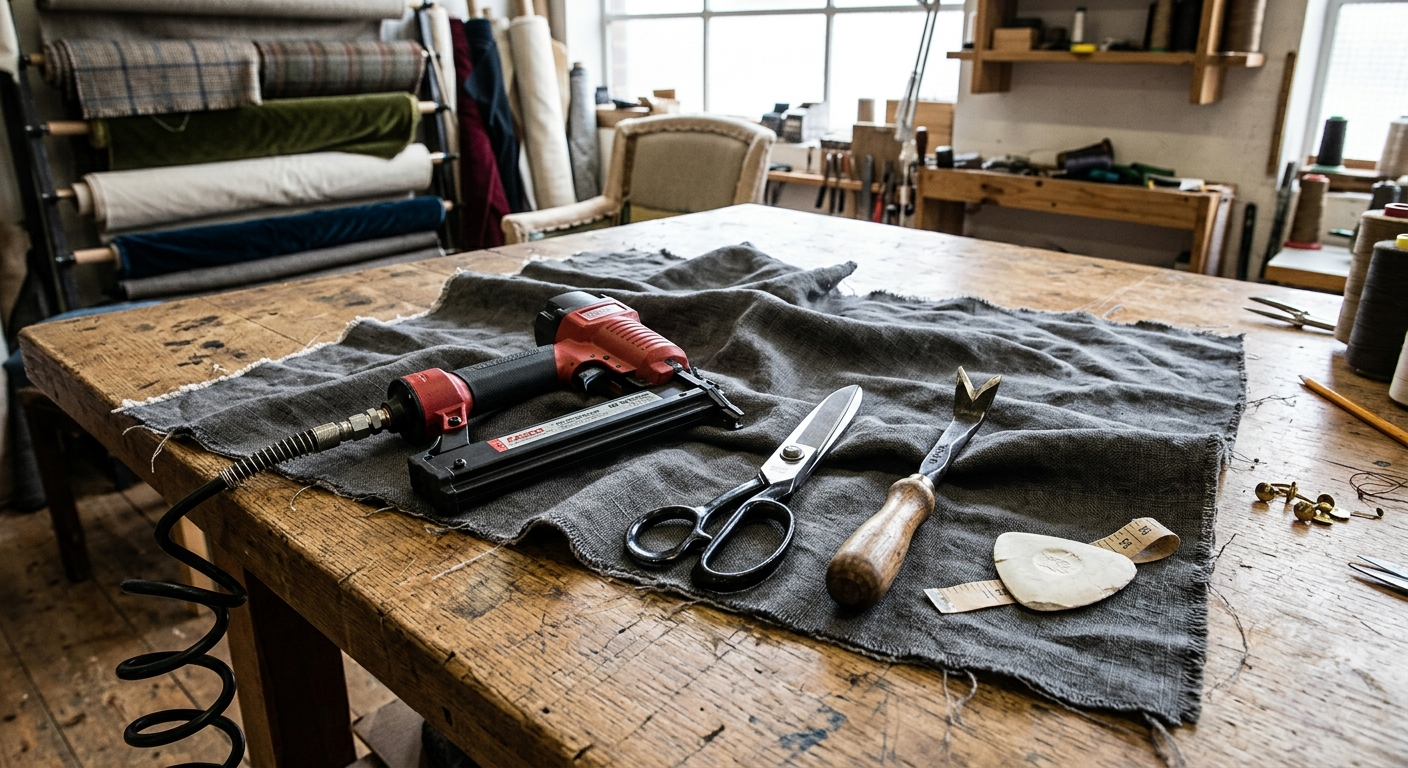
Basic upholstery does not require specialist equipment. For a seat cushion recovery — the project in this guide — you need six things.
- Staple gun — a heavy-duty electric or pneumatic staple gun, 10mm or 12mm staples. A cheap manual staple gun will fatigue your hand and give inconsistent results on thick fabric.
- Upholstery scissors or shears — sharp fabric shears for cutting Wexford at 510 GSM. A standard craft scissors will drag and fray the edge.
- Webbing stretcher — if you are also replacing the webbing base. Not needed for a simple top-fabric recovery.
- Tack lifter or flathead screwdriver — for removing old staples and tacks from the frame.
- Fabric chalk or marker — for marking cut lines on the back of the fabric.
- Pliers — for pulling out stubborn staples in the old upholstery.
Needle and Thread for Finishing
If you are sewing the fabric before stapling — for piped edges or a slip-stitched bottom panel — use an upholstery needle (a heavy curved needle) and upholstery thread. For machine-sewn panels, use a denim needle 100/16 and Gutermann Extra Strong thread. Wexford at 510 GSM will snap a standard needle.
The Project
Step-by-Step: Recovering a Seat Cushion in Wexford
This method works on a drop-in seat pad — the type found in dining chairs, occasional chairs, and footstools. The pad lifts out, you recover it, it drops back in. No sewing required.
1
Remove the Seat Pad and Strip the Old Fabric
Unscrew the seat pad from the chair frame (usually 4 screws from underneath). Turn it over and use a tack lifter to remove all staples and tacks from the existing fabric. Pull the old fabric away and inspect the foam — if it is compressed or crumbling, replace it before recovering. Good foam under a recovered seat makes the entire project look and feel more expensive.
2
Cut Your Wexford to Size
Place the stripped seat pad face-down on the wrong side of your Wexford fabric. Mark a cutting line 10cm beyond the pad on all sides — this is your wrap-around allowance. Cut with sharp shears along the marked line. For a standard dining chair pad (approx 40cm x 40cm), you need approximately 60cm x 60cm of fabric. One metre of Wexford covers four dining chair pads comfortably.
3
Centre the Pad and Pull the Fabric Taut
Place the pad face-down on the fabric, centred. Pull the fabric up and over one long edge and fire two staples in the centre, 3cm from the edge. Move to the opposite side, pull firmly (not overly tight — just enough to remove any slack), and staple the centre of that edge. Repeat for the two short sides. You now have four anchor staples holding the fabric in place for the next step.
4
Work Outward from the Centre — Not Corner to Corner
The most common beginner mistake is stapling from one corner to another. This creates uneven tension and causes fabric to pucker along the edges. Instead, work outward from your four central staples in both directions simultaneously — a few staples on each side, alternating. Space staples 2–3cm apart. Keep the tension consistent. Stop 5cm from each corner before handling the corners separately.
5
Fold the Corners Cleanly
Corners are where the result looks professional or amateur. For a square corner, pull the fabric diagonally over the corner point and staple. Then fold the excess fabric on each side flat against the base (like wrapping a parcel) and staple the fold. For a rounded corner, pleat the fabric into even small folds working around the curve. Wexford's 510 GSM weight means the pleats stay exactly where you put them once stapled.
6
Trim, Finish and Reattach
Trim any excess fabric to within 1cm of the staple line. If the underside will be visible, cut a piece of black cambric (dust cloth) slightly smaller than the base, fold the edges under 1cm, and staple over the underside to give a neat finish. Screw the pad back into the chair frame. The result — a fresh Wexford seat in Ink, Ivy, Orchid, or Rose — looks completely new.
Colour Guide
Ink vs Ivy vs Orchid vs Rose — Which Shade for Which Room?
All four Wexford shades sit in the same earthy, saturated palette — rich enough to make a statement, restrained enough to work with existing furniture.
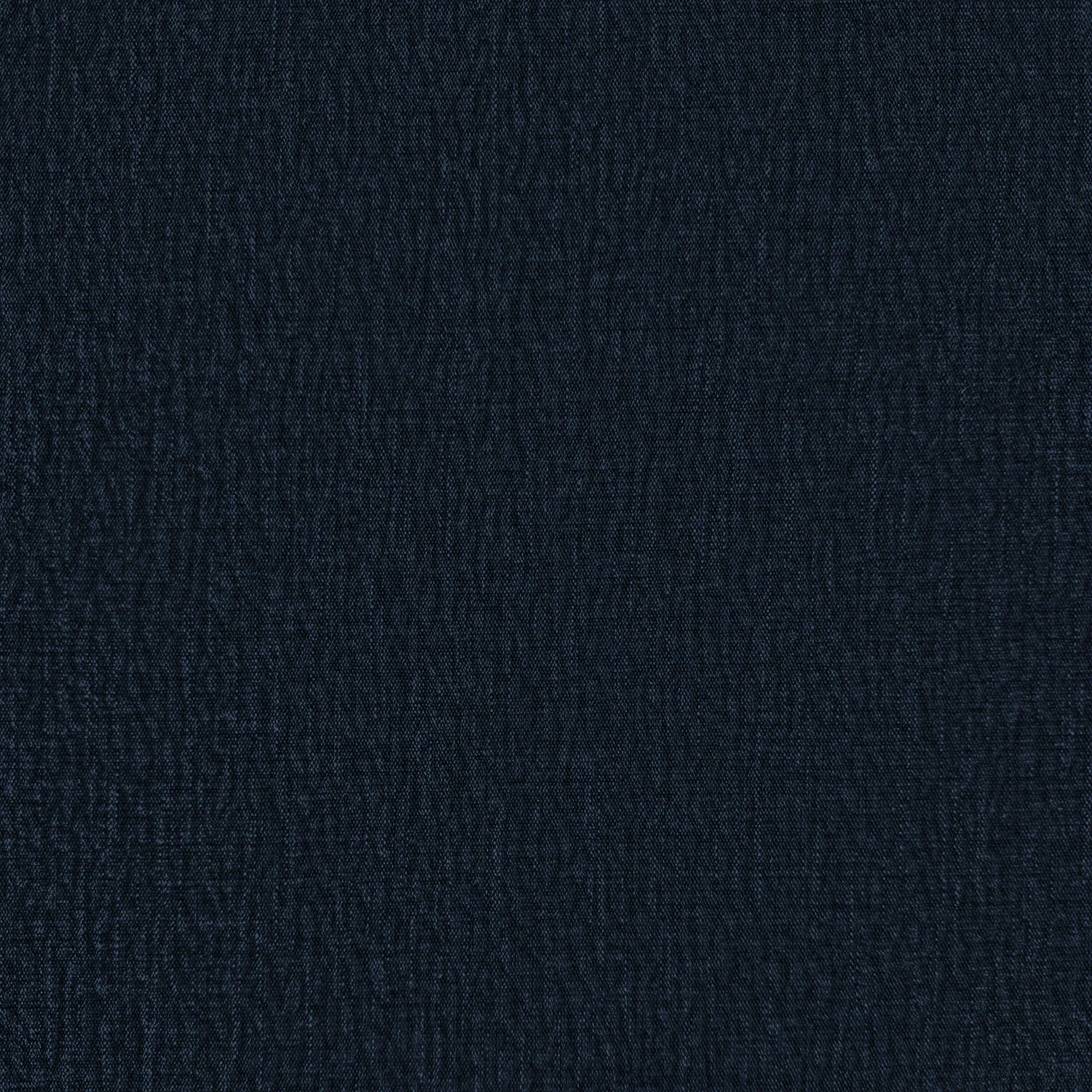
Ink
Deep navy-charcoal. Works with oak, brass, and warm grey rooms. Strong enough to anchor a statement chair without dominating the space. Best for living rooms and home offices.
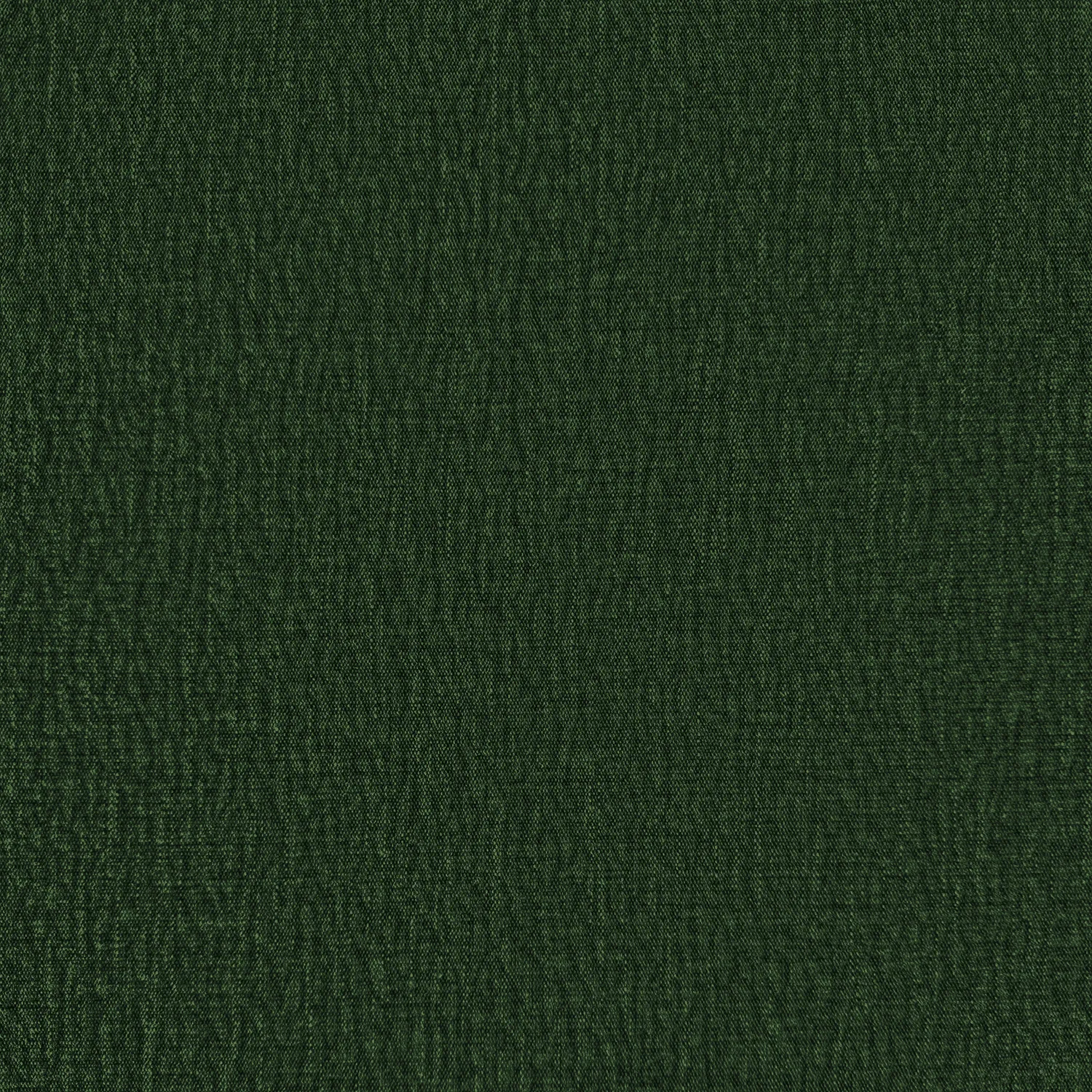
Ivy
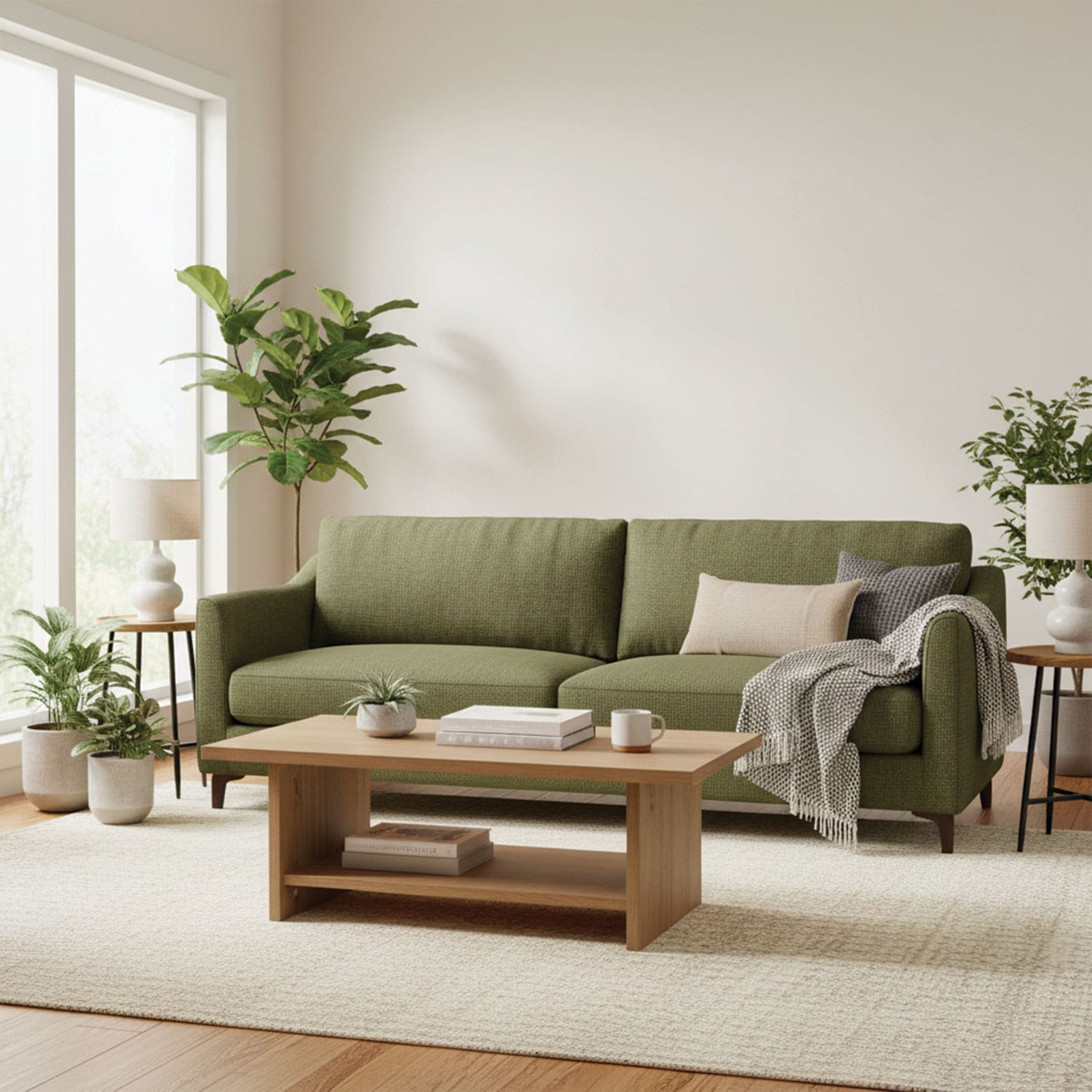
Deep botanical green. The autumn interior shade of the season. Works with natural wood, cream walls, and gold hardware. Best for occasional chairs, dining chairs, and bedroom footstools.
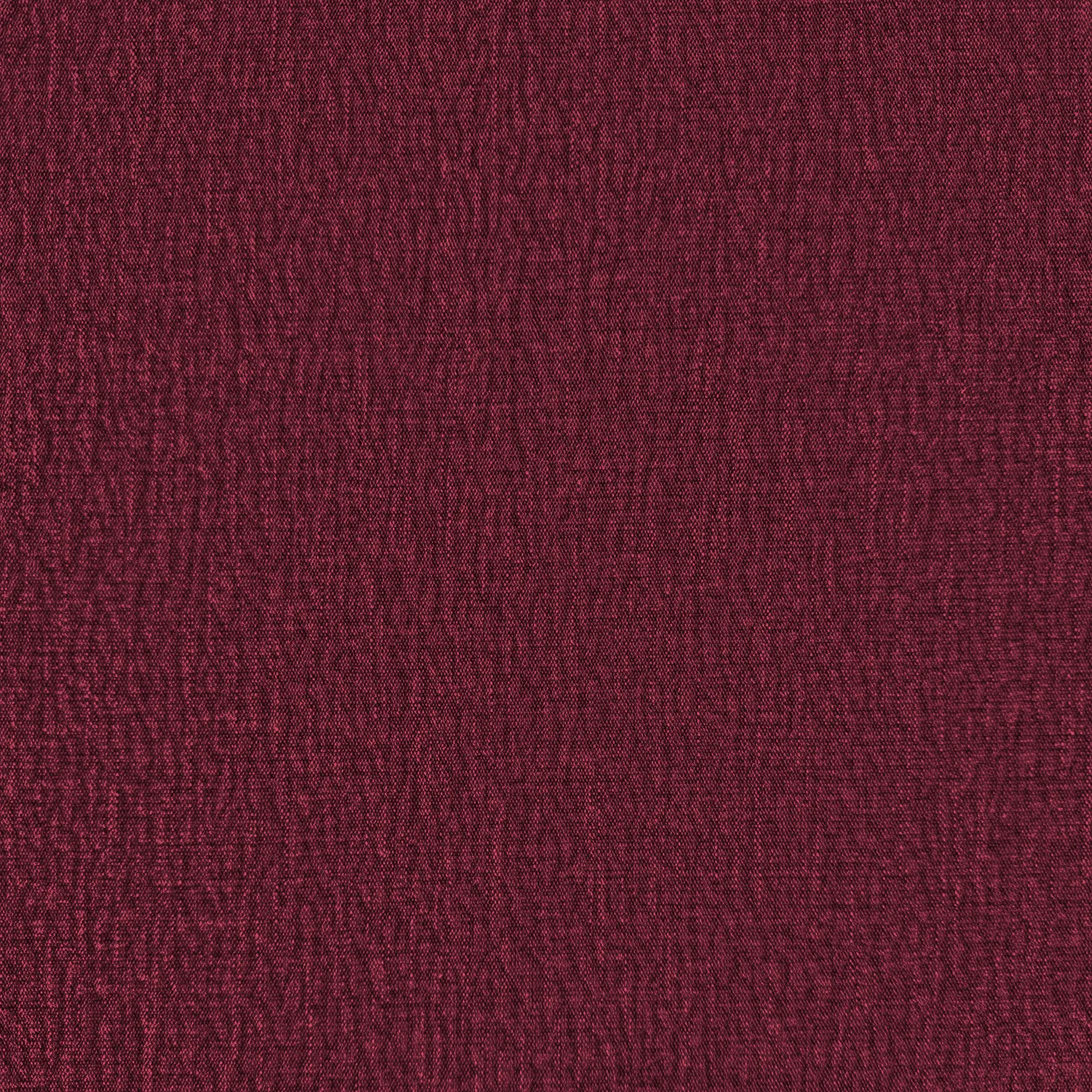
Orchid
Muted plum-mauve. Sits well with grey, taupe, and blush neutral rooms. Sophisticated without being loud. Best for headboards, bedroom chairs, and reading nook furniture.
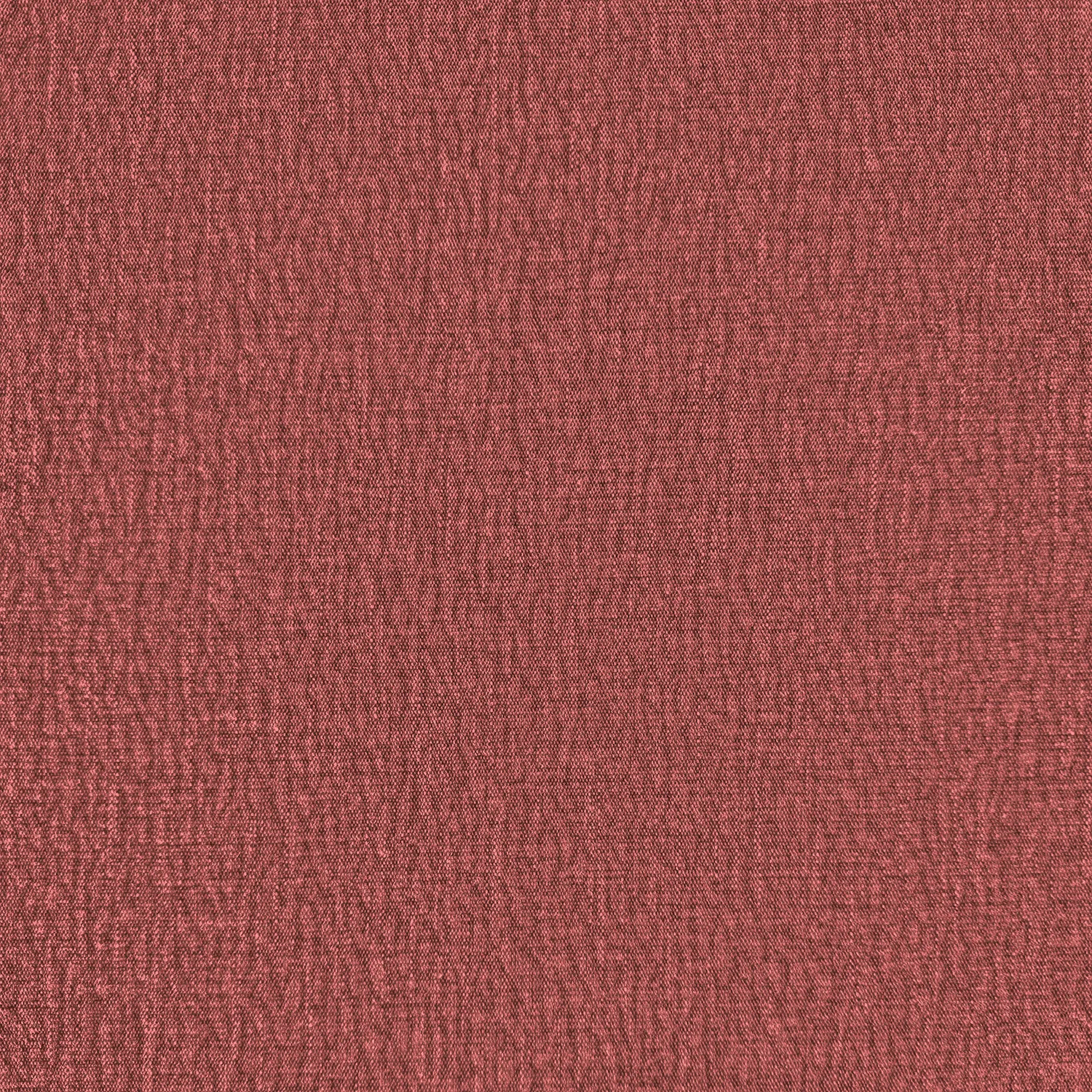
Rose
Warm terracotta-pink. Pairs with cream, warm whites, and natural textures. The most versatile of the four across different interior styles. Best for dining chairs and occasional seating.
Order Free Samples First
Wexford colours read differently on screen than in person — and upholstery is a commitment. Order free samples from the DFL site before buying your full meterage. The 510 GSM weight is something you need to feel in your hand before you can fully judge it.
Longevity
Care and Longevity of Linen Blend Upholstery
At 80,000 Martindale Rubs, Wexford will outlast the furniture underneath it. But correct care keeps it looking its best for the full lifespan of the piece.
| Situation | What to Do | What to Avoid |
|---|---|---|
| Day-to-day cleaningSurface dust, crumbs, pet hair. | Brush with a soft upholstery brush or vacuum on a low setting with the upholstery attachment. Wipe spills immediately with a clean, damp cloth. | Abrasive cloths or harsh chemicals — these strip the surface fibres even on a high-rub fabric. Avoid over-wetting, which can cause the foam beneath to hold moisture. |
| Spot stainsFood, drink, mud. | Blot immediately — never rub. Use a mild solution of washing-up liquid and cold water applied with a clean cloth. Work from the outside of the stain inward. Allow to air dry fully. | Hot water (sets protein stains). Bleach-based cleaners (strips colour). Scrubbing (spreads the stain and damages surface pile). |
| Deep cleaningAnnual refresh of heavily used pieces. | Use an upholstery foam cleaner or a low-moisture steam cleaner on the fabric surface. Test on an inconspicuous area first. Allow 24 hours to dry fully before use. | Saturating the fabric with water or cleaning solution. The foam inside retains moisture and can develop mildew if it does not dry completely. |
| Fading preventionPieces near windows in direct sun. | Rotate cushions regularly so all sides receive equal light exposure. Use UV-protective window film on south-facing windows where furniture is in direct sun for several hours daily. | Leaving a piece in direct sustained sunlight without rotation. Even highly durable fabrics will fade unevenly over months of one-sided sun exposure. |
Autumn Upholstery Collection
All Upholstery Fabrics →
Shop the Wexford Range
Your Summer Project, Your Autumn Interior
510 GSM, 80,000 Rubs, four shades. Wexford is in stock and sold by the metre. Order free samples before committing — or jump straight in. Free UK shipping over £30.




 Patterns